
What Happens If You Don’t Pay an HOA Special Assessment in Florida?

If you skip a special assessment from a Florida homeowners’ association (HOA), interest, a lien, and eventually foreclosure follow in that order.
The bill rarely stays small.
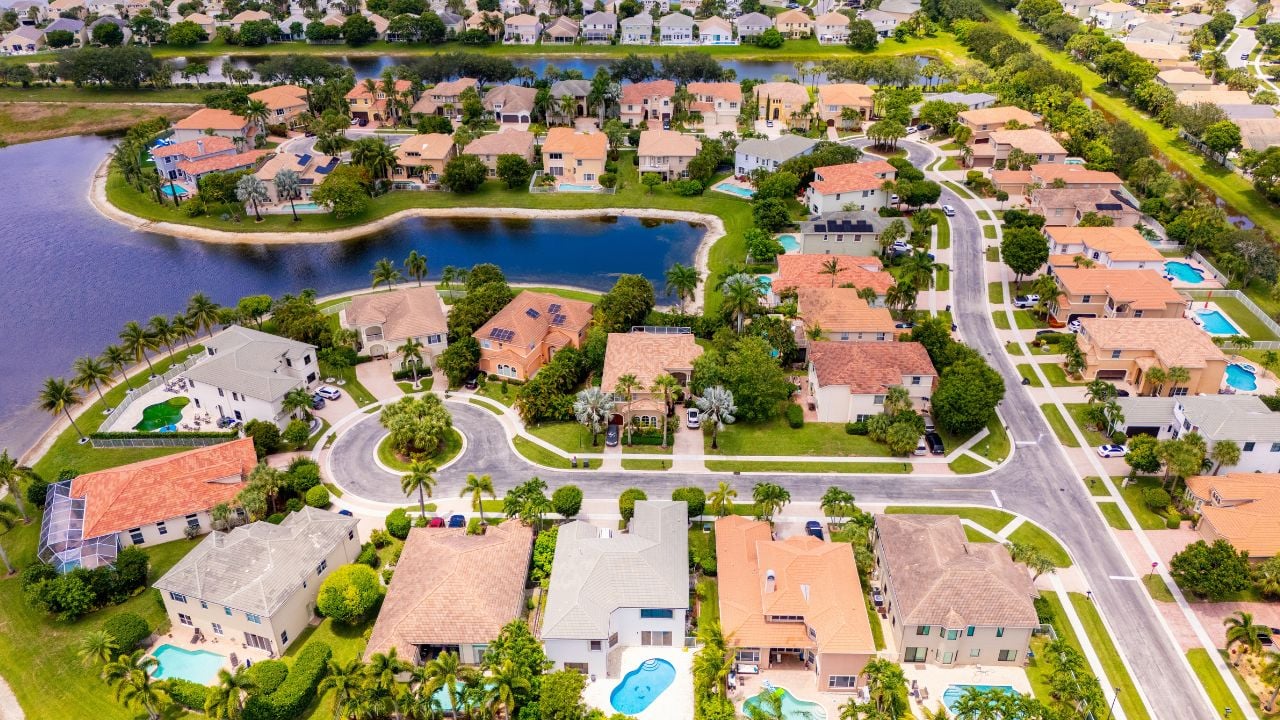
Florida has 50,600 community associations and an estimated 10.9 million residents living inside one, according to the Foundation for Community Association Research’s 2025 count.
Florida law also hands homeowners one narrow, little-known tool that can buy time, and many people never learn it exists until they’re already behind.
Note: This is general information, not legal advice. Association assessment, lien, and foreclosure rules vary by community and are subject to change, so check your governing documents.
The Late Fees and Interest Start Right Away
An HOA can start charging interest on an unpaid special assessment the day the payment is late, not after some grace period.
50,600 homeowner and condo associations operate across Florida, home to an estimated 10.9 million residents.
Any one of those associations can levy a special assessment the moment a shared cost outgrows the regular budget.
State law caps the interest at 18% a year, simple interest only, unless the community’s declaration sets a different rate.
It never compounds.
An administrative late fee can stack on top of that, capped at the greater of $25 or 5% of the missed installment.
Nearly every Florida declaration authorizes that fee, but it only applies where the community’s governing documents say so.
Miss a $2,000 installment in a community whose declaration allows the fee, and it alone runs $100 before a dollar of interest even shows up.
The Order a Florida HOA Applies Your Payment
A partial payment toward a Florida special assessment doesn’t shrink the principal first.
State law makes the association apply the money to accrued interest first, then to the late fee, then to any attorney fees or collection costs.
Only whatever is left touches the actual assessment.
Say a homeowner owes $2,000 and mails a $300 check hoping to chip away at it.
If $80 of that has already built up in interest and fees, the association applies $80 there first, and only $220 comes off the $2,000 the homeowner still owes.
Next, the HOA Places a Lien on the Home
An HOA automatically holds a lien on every property in the community to secure unpaid assessments.
It still has to follow a process before that lien can turn costly.
Before recording a claim of lien, the association must mail a notice of intent to lien by certified and first-class mail, giving the homeowner 45 days to pay in full.
It has to be in writing, with 45 days to respond.
Once that window closes without payment, the HOA can record the lien against the property’s title at the county courthouse.
A recorded lien follows the home, so it typically has to be paid off or resolved before the owner can sell or refinance.
The Lien Can Lead to Foreclosure
An HOA lien for an unpaid assessment doesn’t just sit on the title forever, either.
After recording the lien, the association must send a second notice, a separate notice of intent to foreclose, and wait another 45 days before filing suit.
Once that clock runs out, the HOA can foreclose the lien in court the same way a bank forecloses on a mortgage.
It plays out in the same courtroom, with the same stakes for the homeowner.
A judge can order the home sold to satisfy the debt.
The association can also add its reasonable attorney fees and court costs onto what the homeowner owes.
The same payment-order rule from above sends those costs ahead of the assessment balance.
A first mortgage holder does get some protection if it forecloses first.
Florida law caps what that lender owes the HOA for unpaid dues at a small fraction of the loan.
Psst! How much do you know about Florida’s HOAs and condo rules? Take our quiz and see how many you can get right.
Quiz
Florida HOA Trivia
Answer these questions on Florida community associations. We bet you can’t get them all right. Prove us wrong?
About how many Americans live inside a community association like an HOA or condo nationwide, as of the latest count?
Was the Special Assessment Even Valid?
An HOA can't just announce a special assessment out of nowhere and start the clock.
State law requires the association to mail, deliver, or post written notice of the board meeting where the assessment will be discussed at least 14 days ahead of time.
That notice has to say plainly that assessments will be considered, and nothing more.
Florida law doesn't make an HOA spell out an estimated cost or a reason in that notice, though condo owners get that stricter version under a different chapter.
A missing or vague notice doesn't count as notice at all.
A homeowner who never got that notice may have grounds to challenge the one that followed, before ever worrying about a lien.
The same goes for a notice that never mentioned assessments in the first place.
It's the same kind of paperwork gap that blindsides many first-time buyers long before they ever miss a payment.
Who Has to Approve a Florida Special Assessment
Many Florida homeowners assume a special assessment needs a resident vote before it's official.
State law doesn't require one for an ordinary HOA special assessment.
The board can approve it on its own, as long as it gives the 14-day meeting notice above.
Whether a vote is required at all comes down to the community's declaration and bylaws, not the statute itself, so the governing documents are the first thing worth pulling.
The 60-Day Offer Few Homeowners Know About
Florida law does give a homeowner behind on an assessment one shot at buying time, but only after the HOA has already filed a foreclosure lawsuit.
It's called a qualifying offer, and it's the closest thing to a guaranteed payment plan the statute provides.
A homeowner facing foreclosure can file one written offer to pay everything owed, plus whatever accrues while the offer runs, over a period of up to 60 days.
Filing it automatically pauses the foreclosure case for that stretch.
The homeowner doesn't need the board's approval to file it.
The catch is that a homeowner only gets to make one qualifying offer per case.
Breaking its payment terms ends the pause, and the HOA goes straight back to foreclosure.
Outside of that narrow window, any earlier payment arrangement is a courtesy the association's policy allows, not something Florida law requires it to offer.
Condo Special Assessments Play by a Different Clock
A Florida condo association follows a separate statute for special assessments, and it skips one step an HOA can't.
Condo law doesn't require a separate 45-day notice of intent to lien before the association records one, only the 45-day notice of intent to foreclose once a lien already exists.
That shortens a condo owner's runway compared with an HOA homeowner facing the same unpaid balance.
A condo owner simply has less time to react before the lien lands.
A condo special assessment tied to funding a building's reserves does need a majority vote of the total voting interests, which isn't something Florida requires of an ordinary HOA assessment.
Many of these reserve-funded bills have grown since a 2022 state law pushed condo boards to stop underfunding structural repairs after the Surfside collapse.
The interest cap, the late fee where the documents allow one, and the foreclosure exposure all run the same as an HOA's.
What's different is the oversight: Florida's Department of Business and Professional Regulation licenses and audits condo associations, while an ordinary HOA answers to no state agency at all.
Psst! Tap a heading below to sort a full side-by-side look at how HOA and condo special assessments compare in Florida.
What to Do Before It Reaches a Lien
A Florida homeowner has options before an unpaid assessment reaches a courthouse, and many of them cost nothing but a phone call or a letter.
Read the meeting notice itself first, and confirm it says assessments will be considered.
Florida law requires that much, but it doesn't require a cost estimate or a reason.
Pull the declaration and bylaws next, and check whether they cap what the board can levy without a resident vote.
The same documents usually settle smaller disputes too, right down to what the HOA can and can't dictate about your yard.
Contact the board or the management company in writing, before the 45-day lien notice even goes out, and ask whether the association's policy allows an installment arrangement.
Many boards say yes.
Nothing in Florida law requires it, though.
Keep every certified-mail receipt and notice that arrives.
Those dates are what a court checks first if the case ever gets that far.
FAQ
Quick answers to what homeowners ask most about unpaid special assessments.
Straight answers, no runaround.
Does a Florida HOA have to offer a payment plan for a special assessment?
No blanket law requires one. The only guaranteed option is the 60-day qualifying offer once a foreclosure case is already filed, though many boards set up installment policies before it gets that far.
Can a Florida HOA foreclose over an unpaid special assessment?
Yes. After a 45-day notice of intent to lien and a separate 45-day notice of intent to foreclose, the association can foreclose the lien in court. That looks the same as a mortgage lender foreclosing.
Does a Florida HOA need a member vote to approve a special assessment?
State law alone doesn't require one. The statute only requires 14 days' written notice of the board meeting where it's considered. A vote requirement comes from the community's declaration, not from Florida law.
How much interest can a Florida HOA charge on a late special assessment?
Up to 18% simple interest a year if the declaration doesn't set a different rate. On top of that, a late fee of the greater of $25 or 5% of the missed installment applies if the declaration or bylaws authorize one.
Are condo special assessments in Florida different from HOA ones?
The lien and foreclosure exposure is nearly identical, but a condo association skips the separate pre-lien notice an HOA has to send. A reserve-funding special assessment also requires a majority owner vote that an ordinary HOA assessment doesn't.
A pending special assessment doesn't vanish just because a homeowner sells instead of paying it off.
The buyer's title company pulls an estoppel certificate from the association that lists every special assessment attached to the unit before closing can happen.
9 Insurance Gaps Florida Homeowners Discover After a Storm Has Passed
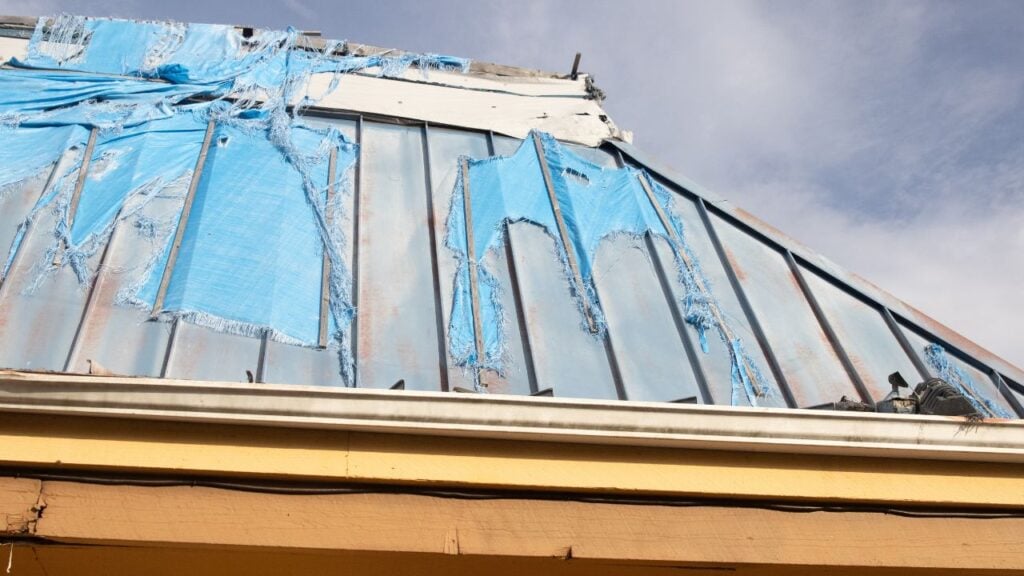
A homeowner's policy looks solid right up until the adjuster starts explaining what it never covered.
Some of the gaps that surface after a storm trace back to fine print nobody walked a homeowner through before they signed.
9 Insurance Gaps Florida Homeowners Discover After a Storm Has Passed
9 Early Sinkhole Signs Florida Homeowners Mistake for Something Harmless
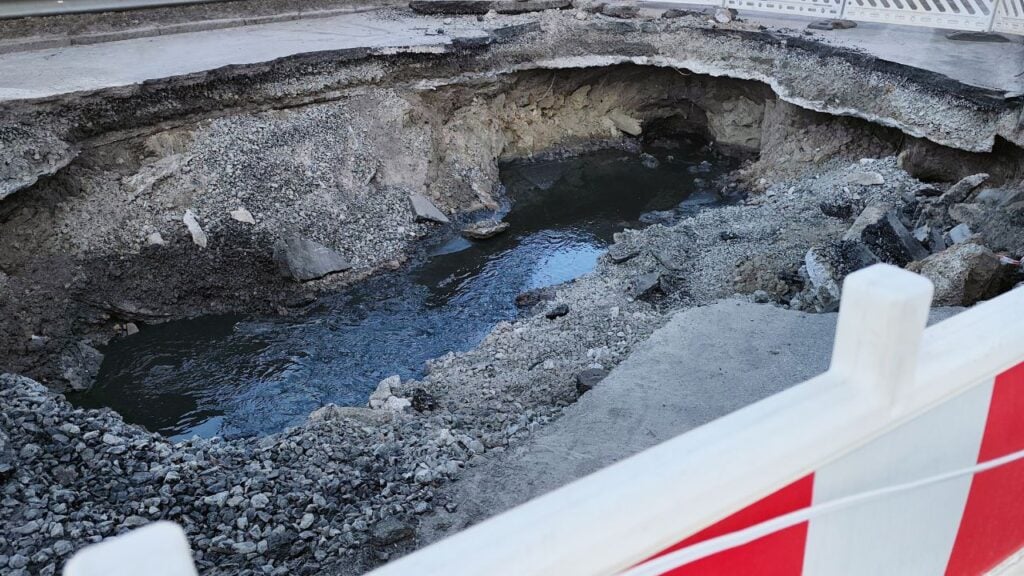
Almost none of Florida's costliest sinkhole claims started with a hole anyone could see.
A few small clues usually show up first, and many homeowners write them off as something else.
9 Early Sinkhole Signs Florida Homeowners Mistake for Something Harmless
