
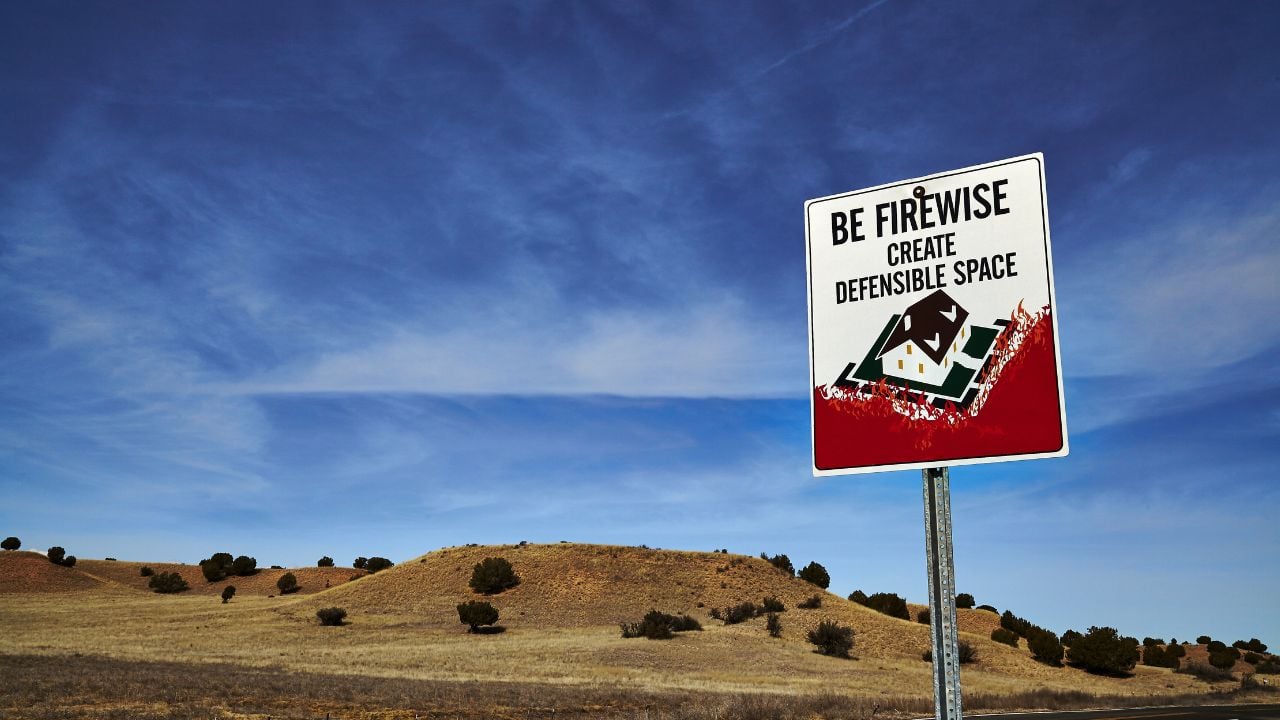
8 Defensible Space Rules Californians Get Wrong Every Fire Season

California’s Board of Forestry and Fire Protection approved the country’s first Zone 0 defensible space rule on Aug. 19, 2026.
The vote made news everywhere, and it also left many Californians unsure exactly what changed and when.
These are the defensible space rules some Californians get wrong.
Note: This is general information, not legal advice. Defensible space and Zone 0 requirements are subject to change, so confirm the current codes with CAL FIRE or your local fire department.
Different Mesh for Vents and Chimney Caps
CAL FIRE (the state’s Department of Forestry and Fire Protection) built Zone 0 to stop wind-blown embers before they ever reach a wall or a vent.
That same ember threat is why the agency also sets strict mesh rules for vents and chimneys.
CAL FIRE calls for 1/16-inch to 1/8-inch metal mesh on a home’s foundation and attic vents.
That mesh size is fine enough to stop those embers before they reach the wood framing inside a wall.
Chimney spark arrestors use a different spec.
CAL FIRE puts that mesh at 3/8-inch to 1/2-inch, wide enough to let a chimney draft properly.
Swapping the two mesh sizes puts the wrong mesh in the wrong spot.
A vent-sized screen on a chimney cap can choke off the draft and let creosote build up.
A chimney-sized screen on a vent lets embers through right where a home is easiest to ignite.
Fire Safe Marin calls the common 1/4-inch screen sold for vents ineffective against embers, and it’s still what many hardware stores stock.
The Trade-Off Behind CAL FIRE’s Vent Mesh Rule
A standard 1/4-inch screen lets through about 81% of a vent opening’s airflow.
Switch to 1/8-inch mesh and that drops to roughly 75%, and 1/16-inch mesh drops it to about 71%.
That’s one reason some retrofits add vent area elsewhere instead of just swapping the screen.
One More Step After the Zone 0 Vote
California’s Board of Forestry and Fire Protection voted unanimously on Aug. 19, 2026 to approve the new Zone 0 rule, but the vote alone didn’t put it into effect.
News coverage called it the country’s first rule of its kind aimed at ember-resistant landscaping.
That vote sent the rule to the state’s Office of Administrative Law, which has to sign off before Zone 0 applies statewide.
Coverage right after the vote said that OAL review could wrap up around the end of September 2026.
Homeowners who want Zone 0’s exact status should check for that OAL decision, since it’s what turns the vote into an enforceable rule.
Once the OAL signs off, new construction has to meet Zone 0 immediately, and existing homes get up to five years to catch up.
That gap between the vote and an effective date is exactly where the confusion started.
CAL FIRE’s Existing Mulch and Firewood Guidance
CAL FIRE’s existing guidance already recommends against several things the new Zone 0 rule would eventually require statewide.
That guidance treats the first five feet around a house differently than the rest of the yard.
Bark mulch and wood chips sit right against many foundations, and CAL FIRE recommends gravel, pavers, or concrete there instead.
That means gravel or pavers, not mulch.
CAL FIRE also recommends moving firewood, propane tanks, boats, and RVs outside that same five feet.
Many homeowners still keep the woodpile in the driveway or side yard, exactly where CAL FIRE’s guidance says it shouldn’t sit.
Combustible fencing counts too, and CAL FIRE recommends a noncombustible section wherever a wood gate or fence panel touches the house.
Driveway Vegetation Clearance
California’s CAL FIRE home-hardening guidance requires at least 10 feet of vegetation clearance on both sides of a driveway.
Many homeowners focus their whole defensible space effort on the house and skip the driveway.
That’s a mistake.
A driveway doubles as the route a fire engine uses to reach the house, and overgrown brush along it blocks an evacuation route just as easily.
Ten feet on both sides keeps that lane open when it matters most.
Slope-Based Spacing Math
Under California’s CAL FIRE spacing rules, trees and shrubs get different math depending on the slope of the land.
Fire moves faster going uphill than it does across flat ground, which is exactly why that math changes.
On flat or mild ground, under a 20% slope, trees need 10 feet between their canopies, and shrubs need spacing equal to twice their height.
On a moderate slope between 20% and 40%, shrub spacing grows to four times their height, and trees need 20 feet between canopies.
On a slope steeper than 40%, the spacing triples the flat-ground number to 30 feet between trees and six times a shrub’s height.
A hillside lot spaced for flat ground ends up under-spaced twice over once the grade passes 20%.
A homeowner on a moderate slope who never checks the middle tier is likely to get the math wrong.
“Lean, Clean and Green,” Not Bare Dirt
CAL FIRE brands its 100-foot defensible space standard “Lean, Clean and Green.”
That’s not the same as bare dirt.
Grass in Zone 2 can stay mowed to four inches, and up to three inches of dead leaf litter is allowed to stay on the ground.
Zone 1, the ring from 5 to 30 feet out, follows the same idea.
Dead plants, grass, and weeds come out, but living, well-spaced plants can stay.
Many homeowners still assume the 100-foot law means stripping the yard down to soil.
It doesn’t.
Overcorrecting like that can strip topsoil, invite erosion, and cost far more than the trimming CAL FIRE asks for.
The Six-Foot Branch Clearance
California’s defensible space rules also require clearing tree branches within six feet of the ground.
Grass and dry brush pressed against a low branch can carry a ground fire straight up into the canopy above it.
That’s the whole point of the six-foot rule.
Many homeowners keep a tree’s lowest branches on purpose, for shade or for how the tree looks.
Shade has a cost.
CAL FIRE also asks for at least 10 feet between the branches of neighboring trees in Zone 1.
That gap keeps a fire in one tree from spreading straight into the next tree.
A mature oak or pine with branches sweeping the lawn often breaks both rules at once.
Documentation for Insurance Credit
Many homeowners assume finishing basic defensible space cleanup counts as meeting the state’s wildfire mitigation standards.
It doesn’t.
The state ties its wildfire insurance credit to documented mitigation steps that match state standards, not a general yard cleanup.
The state’s Safer From Wildfires framework spells out what counts, and a vague brush-clearing claim doesn’t meet it.
Doing the mitigation work and winning an insurer’s approval for a discount are two separate tracks, though.
Finishing Zone 0 or CAL FIRE’s other defensible space rules doesn’t automatically unlock that credit.
Insurers verify the work through procedures they file under the Safer From Wildfires framework, separate from the Board of Forestry’s regulation.
Assembly Bill 1 now requires regular review of that framework, effective Jan. 1, 2026.
Assembly Bill 888, the California Safe Homes Act, helps qualifying homeowners pay for fire-safe roofs and Zone 0 work.
State officials say cost is what keeps many people from finishing that job.
It’s cash help, not a loophole.
Insurers can also ask for proof, like photos or a completed inspection checklist, before they apply any wildfire mitigation discount.
A homeowner who documents the vent screens, the five-foot zone, and the tree spacing has a stronger case than a homeowner who just says the yard already looks clear.
Psst! How fire-ready is your defensible space? Run through this checklist and see where you stand.
Zone 0 Exemptions
California’s new Zone 0 rule won’t apply to every house in the state once it takes effect.
Zone 0 applies only to homes in the highest fire-risk areas, close to 2 million structures statewide.
That leaves many California homes outside Zone 0’s coverage.
Location decides it.
CAL FIRE’s website lets any homeowner check their property’s fire hazard severity zone, rather than assume Zone 0 applies to them or guess that it doesn’t.
Guessing wrong either way carries a cost, since homes inside the zone get years to comply while homes outside it never have to.
8 Recording Habits That Are Illegal in California, and Many of Us Have Done One
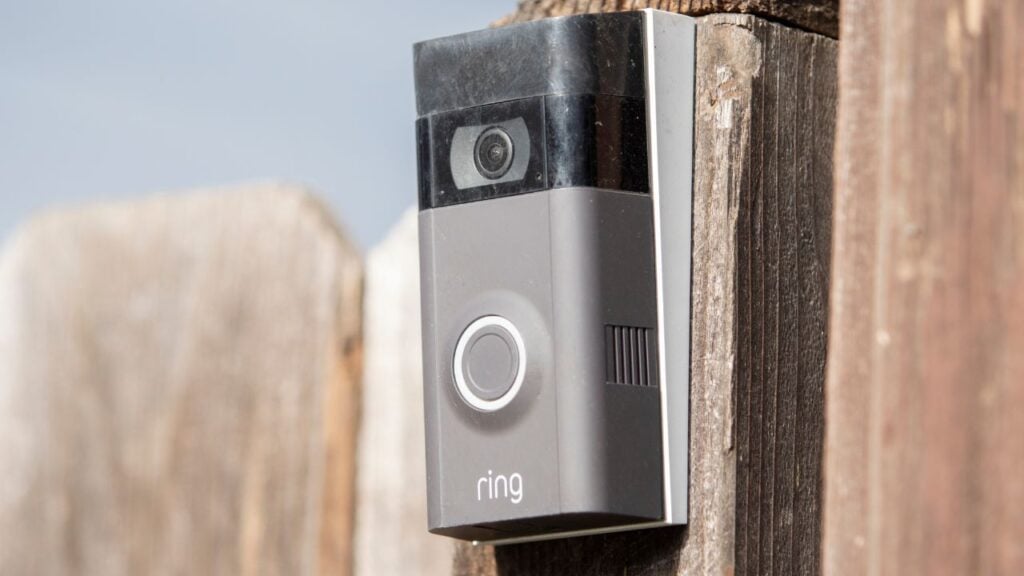
A company called LoanMe once recorded an 18-second phone call, barely long enough to leave a voicemail.
That clip reached the California Supreme Court, and the fight over it still decides what happens today whenever a phone, a camera, or a doorbell catches a conversation without asking.
8 Recording Habits That Are Illegal in California, and Many of Us Have Done One
8 Trader Joe’s Habits That Annoy Every Other California Shopper

A Trader Joe’s shopping cart holds about half of what a standard supermarket cart carries, and only Dollar Tree’s carts run smaller.
Wedging one of those carts down a crowded aisle at rush hour is exactly how tempers fray at the checkout line.
8 Trader Joe’s Habits That Annoy Every Other California Shopper
