
4 Lobster Boat Traditions That Wind Down by Mid-October in Maine

Ask a lobsterman when summer really ends, and you might not hear Labor Day.
Out on Maine’s water, the real signs show up later.
Some boats change what they catch. Others change who they carry.
These are the lobster boat traditions that wind down by mid-October in Maine.
1. Shedder Run’s Last Days
Through much of the summer, lobster boats chase shedders, lobsters that have just molted into a soft, paper-thin shell.
Soft shells crawl easier.
They carry less meat than a hard-shell lobster.
Pounds and wholesalers pay less for them, and that lower price is exactly what keeps boats hauling heavy through August and into September.
Portland’s Harbor Fish Market and other seafood dealers describe the shedder run stretching from early summer into early fall, then fading fast as the new shell hardens back up.
By mid-October, hard shell has taken back over.
A hard-shell lobster packs more meat into the same claw, and it survives a longer trip to a tank or a truck.
That switch changes what a boat’s catch is worth at the co-op scale.
2. Offshore Gear Pull
A federal calendar, not the weather, decides when Maine’s offshore lobster boats have to pull their gear.
The LMA1 Restricted Area sits in the deep water off Midcoast Maine, part of the National Oceanic and Atmospheric Administration’s (NOAA) Atlantic Large Whale Take Reduction Plan.
It’s closed to buoy lines every year from October 1 through January 31.
The rule keeps vertical lines out of the water during the months North Atlantic right whales are likely to be passing through.
No warning shot.
The closure lands on the same date every year.
Boats working that stretch of water spend the last days of September hauling gear they’d otherwise leave soaking.
They move traps to water they’re still allowed to fish, or off the bottom.
Get caught with a line in that water past the deadline, and it’s a federal violation, not a warning.
Which Maine Lobster Boats This Affects
The October 1 closure doesn’t touch every Maine lobster boat.
It applies to boats working the deeper federal water off Midcoast Maine, beyond the state’s three-mile line.
Boats working close to shore in Maine’s state waters keep fishing straight through the fall and winter with no gear change required.
The rule targets that exposed water further offshore, not the harbors and coves tourists usually see a boat working from.
3. Lobster Boat Racing’s Last Heat
Stripped of gear and running wide open, lobster boats spend a few Saturdays each summer racing instead of hauling.
The Maine Lobster Boat Races circuit is a genuine working-boat tradition, not a built-for-speed one.
The same boats that check traps six days a week take a break to find out which one is fastest, at harbor festivals up and down the coast.
The season opens in Boothbay Harbor in June, moves through stops like Rockland, Stonington and Winter Harbor, and wraps with its final heat in Portland in mid-August.
No boat races again until next summer.
Then, back to hauling.
By mid-October, the fleet has been back to straight hauling for two months, hulls still carrying their race numbers, engines tuned for the fall catch instead of the finish line.
4. Lobster Boat Tours’ Last Call
Not every lobster boat spends the fall hauling traps.
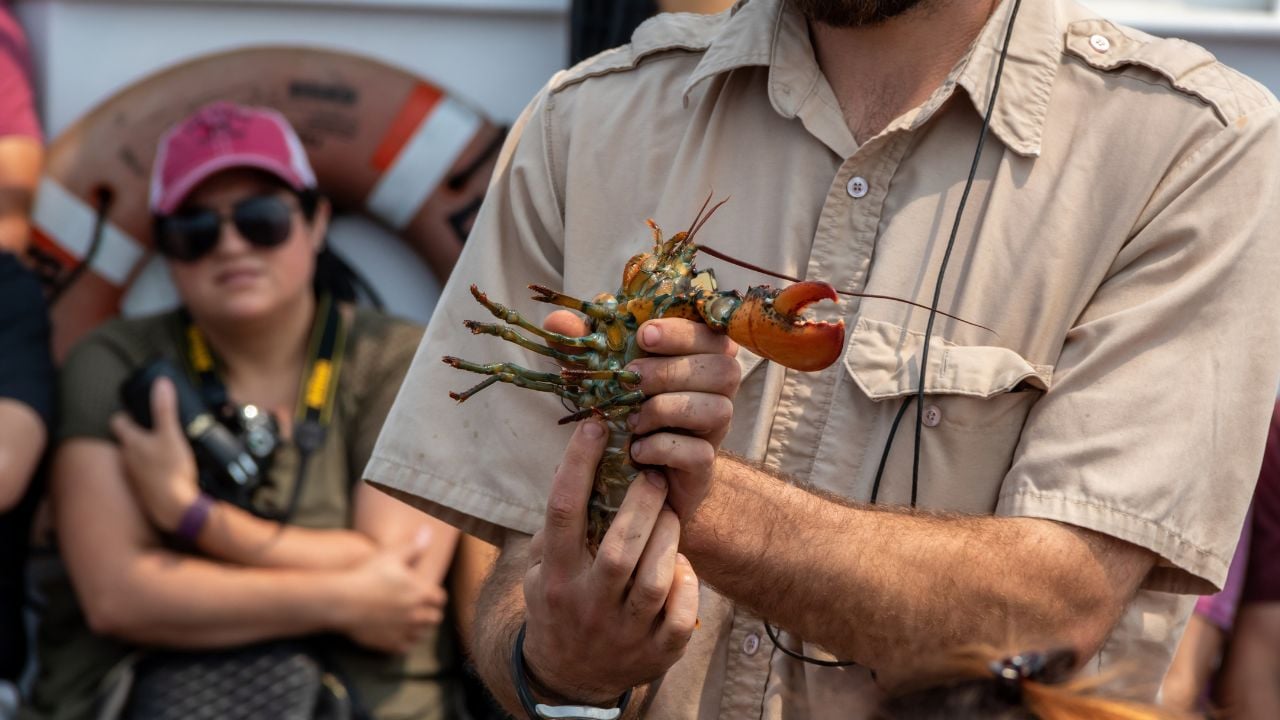
A handful of working boats spend their season taking visitors along to watch a haul come up, and by mid-October those trips are running out their final weeks.
Bar Harbor’s Lulu Lobster Boat runs tours from early May through October 17 this year, so by mid-October the season is already down to its last handful of sailings.
Portland’s Lucky Catch Cruises follows a similar clock, running daily through the last weekend of October, a countdown already ticking by the time mid-October arrives.
Last ride, last banding, last look at a claw up close.
Then, nothing till spring.
Those boats spend the rest of the fall and winter doing the same commercial hauling their crews do the other eight months of the year.
The only thing missing is the passengers asking questions about the bait.
Why Whales Set the Clock
For Maine’s lobster boats, the October 1 rule that reroutes their fall isn’t up for debate.
The North Atlantic right whale is one of the rarest large animals on Earth.
The latest count from the North Atlantic Right Whale Consortium puts the whole population at around 384 animals.
That’s a slight rise from the year before.
Every whale counts.
A vertical buoy line is one of the main ways a whale tangles in fishing gear.
Every seasonal closure, every trap reduction and every weak-rope requirement Maine’s lobster boats now carry traces back to that one small number.
Psst! How much do you know about Maine’s lobsters? Take our quiz and see how many you can get right.
Quiz
Maine Lobster IQ
Answer these questions on Maine lobster history, biology and records. We bet you can’t get them all right. Prove us wrong.
What color is a live lobster before it ever hits a pot?
The 800-Trap Ceiling
No matter the season, every lobster boat answers to the same hard number.
State law caps a single vessel at 800 traps, and that ceiling holds no matter how many license holders are fishing off the same boat.
800, no exceptions.
Some zones set that number even lower, so a boat's effective ceiling depends as much on which stretch of coast it fishes as it does on state law.
A boat pushing toward that ceiling on the fall hard-shell run is running a very different operation.
Back in July, the same boat was easing off that ceiling while chasing shedders close to shore. The number stenciled on every buoy stays identical either way.
5 Things Mainers Do When Lobster Boats Come In That Tourists Find Fascinating
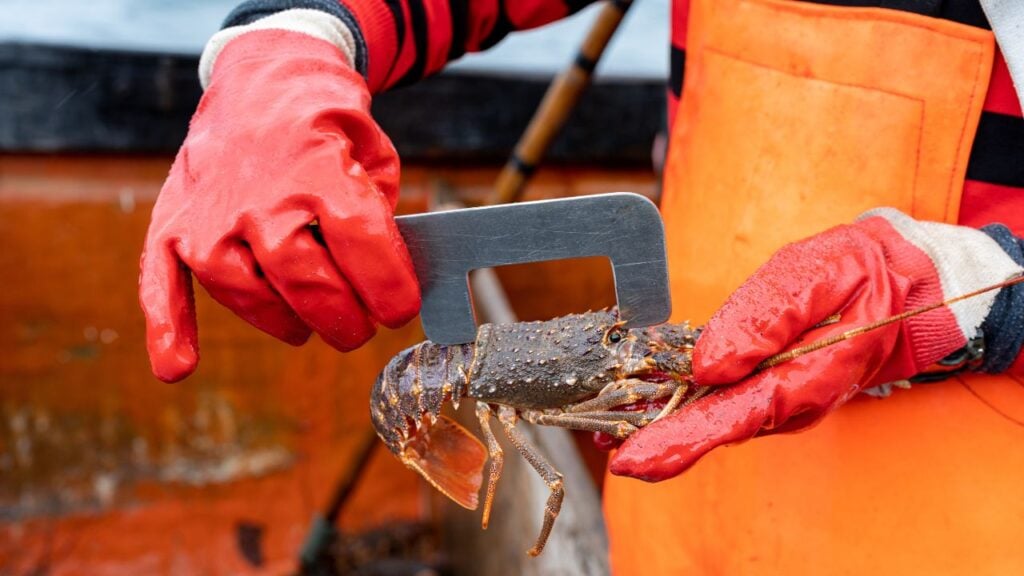
Maine bans hauling a trap from a half hour after sunset until 4 a.m. through September and October, no matter how the day's fishing went.
So every boat in the harbor comes in on the same clock, and what happens on the wharf in that window is worth standing still for.
5 Things Mainers Do When Lobster Boats Come In That Tourists Find Fascinating
5 Short-Term Rental Caps That Surprise New Maine Coastal Owners
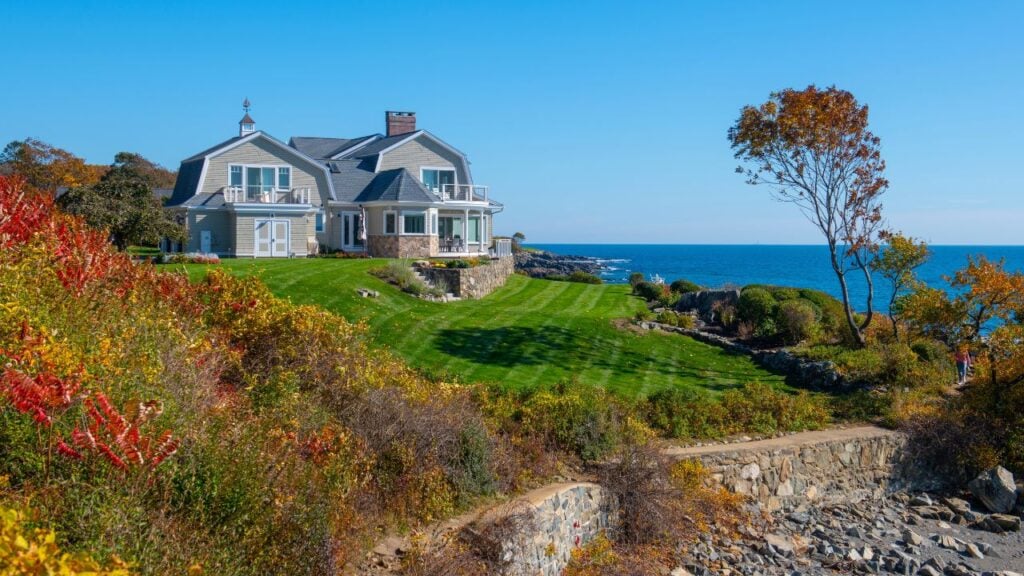
Portland recalculated its cap on non-owner-occupied short-term rentals on September 1, swapping out the flat 400-unit ceiling the city had run for years.
The new ceiling can shrink every year, and it's already catching new coastal owners off guard.
5 Short-Term Rental Caps That Surprise New Maine Coastal Owners
