
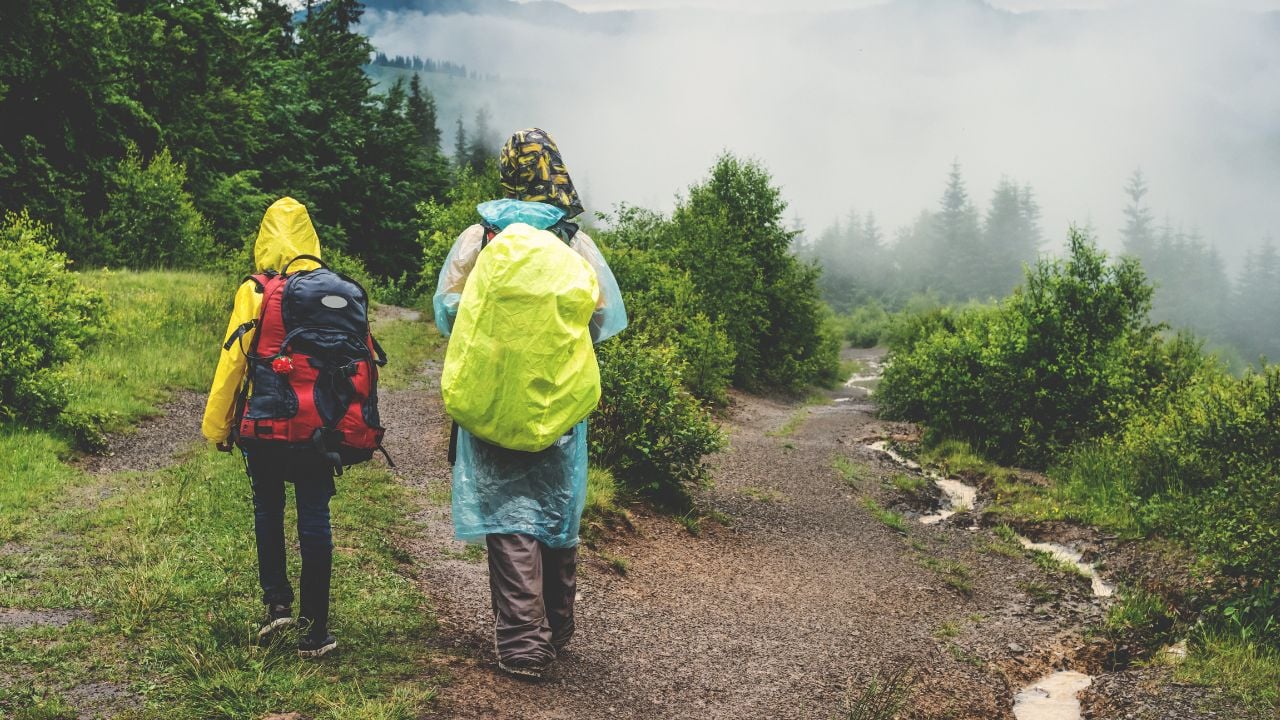
8 Rain Habits That Give Away a Lifelong Oregonian

Many Oregonians have learned to live with rain.
Some of the habits that come with that are easy to miss, even for the people who have them.
Here’s a look at the small rain habits that mark someone as a lifelong local.
1. Skipping the Umbrella
You rarely pull an umbrella out of the closet once you’ve lived through a few soggy winters.
It just stays there.
A Pacific Northwest meteorologist has traced the pattern to raindrop size, which stays light because Pacific storm clouds over the region typically build only weak updrafts.
Those weak updrafts keep the drops from swelling into the heavier rain that falls in stormier places.
When rain turns heavy in Portland, you can tell a bigger storm has moved in, not just another ordinary day.
A 2024 Axios Portland reader survey of 372 people found that 85% own an umbrella.
Yet only 4% reach for one, and 64% wear a rain jacket alone instead.
The other 81% who own an umbrella mostly leave it in a hall closet or the back of a car.
2. Naming the Sun Break
Portland-area forecasters have a name for a short gap of sunshine between storms, and it isn’t just “sunny.”
It’s a sun break.
Local weather coverage across the Portland area uses sun break as its regular term for that narrow clearing, distinct from an ordinary sunny stretch.
You’ll hear the term in everyday conversation around Portland, not just on the evening weather report.
Once you know the word, you stop calling every gap in the clouds “sunny” and start calling it a sun break, same as everyone else.
3. Showing up for the Game Anyway
Oregon’s state high school sports rules spell out exactly one reason a game stops for weather.
Lightning.
Not rain.
The Oregon School Activities Association’s safety rules require play to stop the moment lightning is seen or thunder is heard.
Play stays stopped for at least 30 minutes after the last flash.
Games and practices go on through a steady rain because that rule never mentions rain at all, only lightning.
You show up anyway, cleats already damp.
Canceling was never on the table when only lightning stops play.
A newcomer to Oregon checks the sky and half expects a text about a postponement.
You know better.
4. Foraging After the First Rain
Oregon’s official state mushroom, the Pacific golden chanterelle, sends foragers into western Oregon’s forests every fall.
The rain decides when.
Chanterelles fruit heaviest once the cool, wet weather arrives, Travel Oregon notes, typically from around August through early December.
You watch the soil, not the calendar, and head out with a basket once the first soaking rain of the fall finally lands.
Federal rules cap personal-use picking at one gallon a day without a permit in the Siuslaw National Forest, a limit every regular forager already knows by heart.
You don’t need a permit to fill that gallon, but you do need to know the line exists before you start filling a bucket.
Psst! How much do you know about Oregon’s rain? Flip through these cards and see how many you get right.
5. Grabbing Free Sandbags
Portland keeps free sandbags stocked year-round at two city parks for exactly this moment: An atmospheric river headed for the region.
You know which one is closer to your house.
The city stocks the free supply at Lents Park and Gabriel Park, and residents just need to bring a shovel.
The National Oceanic and Atmospheric Administration (NOAA) defines an atmospheric river as a narrow corridor of tropical moisture stretching across the Pacific Ocean.
That’s well beyond an ordinary storm system.
You don’t wait for the water to rise before making a trip to the park.
That single forecast term is usually enough to get you moving.
Two words, one trip.
6. Adopting a Storm Drain
Portland’s Bureau of Transportation maintains more than 58,000 storm drains across the city, far more than crews alone can keep clear every fall.
So the city asks residents to help.
If you sign up for the city’s Adopt-a-Drain program, you clear the curb drain nearest your house before the rain piles up.
You work from the curb with gloves and a shovel.
You already know which drain is yours to check.
A clogged drain leaves rainwater pooling in the street and the intersection instead of draining through the system built to carry it away.
You clear about ten feet on either side of the grate and bag the leaves instead of kicking them back into the gutter.
Your drain, your job.
7. Correcting the Rain Math
Oregon isn’t the wettest place in the country, no matter how often people repeat that reputation.
Not by a long shot.
The numbers don’t back it up.
Portland picks up about 36 inches of rain a year, according to weather-tracking data from The Weather Channel.
Miami gets nearly 62 inches a year, and New Orleans and Mobile, Alabama both top 60 as well.
You’ve heard the reputation your whole life, and the actual numbers rarely match what people assume.
Frequency built that reputation, not volume, and you’ve got the numbers to prove it now.
Why Portland’s Rain Stays Light
Portland’s raindrops stay small because Pacific storm clouds over the region rarely build strong updrafts.
You skip heavier rain gear on a normal day because of that light drizzle.
You’ll feel the difference fast once an atmospheric river moves in and swaps drizzle for a downpour.
8. Annual Moss Patrol
Moss takes over roofs west of the Cascades wherever rain and shade combine, and that’s more than a cosmetic problem.
Shade makes it worse.
Oregon State University Extension explains that roof moss needs both rain and shade to take hold, and once it does, it traps moisture that can rot the wood underneath.
You either scrub the roof yourself or hire it out, and either way, the fix is cutting back the shade that lets moss return.
A shaded roof rarely comes off your watchlist for long.
5 Reasons Oregon Shoppers Over 60 Pay More Than They Should at WinCo

Oregon shoppers 55 and older made an average of 10 cash payments a month in 2025, more than five times the rate for shoppers 18 to 24.
WinCo never accepts a credit card, and the priciest spots for an older shopper are easy to miss.
5 Reasons Oregon Shoppers Over 60 Pay More Than They Should at WinCo
10 Things Oregon Residents Should Never Put in a Recycling Bin
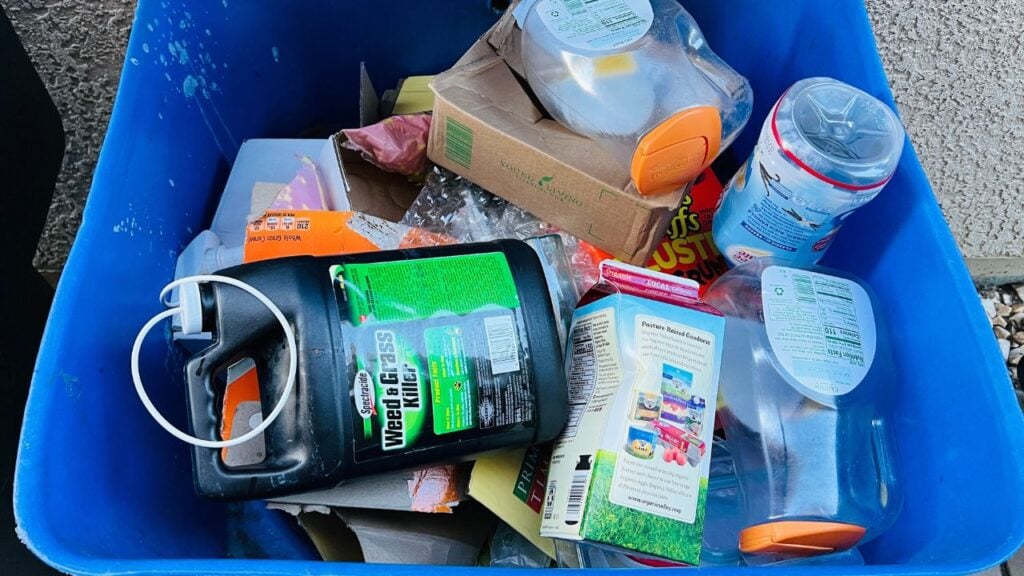
Sixty-one fires broke out at two Portland-area waste and recycling stations in 2025, and most traced back to the same cause.
A battery tossed in with the trash or the recycling started them, and it’s an easy mistake to make.
10 Things Oregon Residents Should Never Put in a Recycling Bin
