

3 Parts of New York City That Only Come Alive After Midnight

It’s well past midnight, and you’re hungry and wide awake.
New York City has corners that run on a different clock than the daytime crowd.
Here’s where New Yorkers find the night shift still going strong.
Veselka
Veselka now stays open past midnight on weekends, when it runs all night.
The Ukrainian diner, on Second Avenue in the East Village, served customers around the clock for close to 30 years.
Then the pandemic forced it to scale back its overnight shifts.
That all-night run stopped for good, or so it seemed.
Starting in April 2026, Veselka began staying open all night again, on Fridays and Saturdays only.
On the first night of the return, the restaurant was reportedly full until about 3 a.m.
Veselka’s owner has named fried pierogies, borscht, and potato pancakes as good starters for a late-night order.
If your night out in the East Village runs past 2 a.m., Veselka’s Friday and Saturday overnight service gives you a full kitchen to land in.
Veselka’s On-Again, Off-Again All-Nighter
Veselka first started serving customers 24 hours a day in 1990.
Staffing shortages after the pandemic kept the diner off that schedule for several years.
The owner has expressed optimism about returning to full all-night service on the rest of the week in the future.
Smalls
Smalls, a basement jazz club on West 10th Street in the West Village, keeps the music going after much of the city has already called it a night.
Its posted schedule lists a late jam session that starts at 11:45 p.m. and runs to 4 a.m., with a different host on different nights.
It is a separate event from the earlier sets, not an encore.
Stop in at midnight and you can catch a jam session instead of a repeat of the earlier show.
Psst! How much do you know about New York City after dark? Take our quiz and see how many you can get right.
Quiz
NYC After Dark: How Well Do You Know It?
Eight questions on the city’s nightlife and history. See how many you can get right.
Studio 54 opened in 1977 inside a Manhattan building that started life as what?
The Meatpacking District
The Meatpacking District's name has nothing to do with the crowds who show up there after midnight now.
It comes from a wholesale market whose workers were already busy while much of the city slept.
A 1939 Works Progress Administration guide to New York City put it plainly: Activities at the old Gansevoort Market began at 4 a.m.
An 1888 account in Harper's Weekly described hundreds of wagons choking the streets there before dawn.
That market is long gone.
What replaced it runs on New York's last call, which the state's liquor rules allow to stretch to 4 a.m.
Hustle before sunrise, then hustle again after midnight: The neighborhood has worked both the early shift and the late one.
Many of the old warehouse buildings are still standing, repurposed now as boutiques, restaurants, and the clubs that keep the block loud after dark.
On a weekend night the crowds show up long after the market trucks would have cleared out.
You can still stand on the same cobblestones at 3 a.m., just for a different reason than a Gansevoort Market vendor would have had in 1939.
Around 3 or 4 a.m., the crowd heading home and the crowd just arriving pass each other on the same block.
How New York's Last Call Compares
If you're used to an early cutoff back home, you might not expect New York's version of last call.
Most states stop alcohol sales by 2 a.m., according to a hospitality-industry rundown of state alcohol rules, but a few push later still.
Under Miami-Dade County's zoning code, nightclubs and adult-entertainment venues can keep selling alcohol until 4:50 a.m. and have to clear everyone out by 5 a.m., about an hour past New York's cutoff.
An ordinary Miami-Dade bar or restaurant has to stop pouring at 1 a.m. instead, three hours earlier than New York's line.
Population density and tourism account for the later hours in bigger cities, the crowds big enough to keep a bar profitable that late.
Nevada and Louisiana set no mandated closing time for alcohol sales at all.
New York State law allows service until 4 a.m., while Miami-Dade lets a nightclub pour until nearly 5 and makes an ordinary bar stop at 1.
7 Snow Removal Rules That Catch New Yorkers Off Guard Every Winter
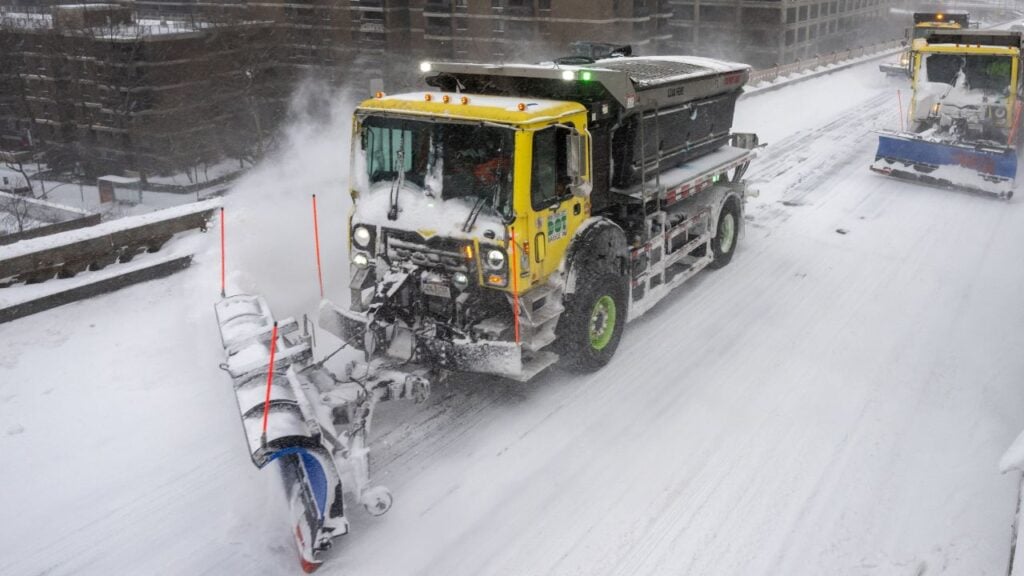
New York City's Department of Sanitation logged more than 4,000 sidewalk-shoveling violations after a single storm this past January.
Every city in the state gives residents a different window to clear that sidewalk, and missing it gets expensive fast.
7 Snow Removal Rules That Catch New Yorkers Off Guard Every Winter
11 Tipping Situations That Leave New Yorkers Completely Confused
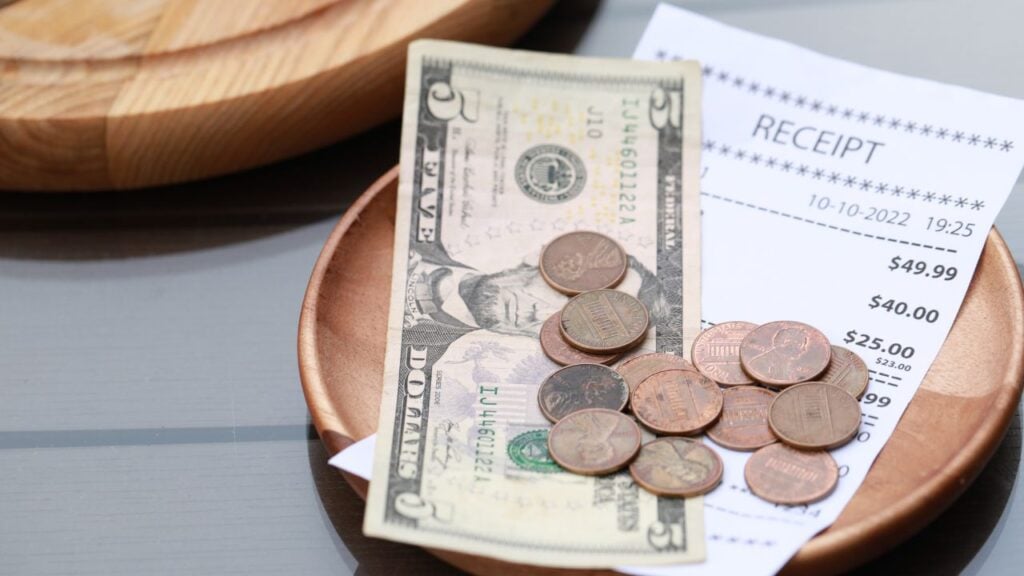
New York City officials say changes to delivery-app tip screens cost couriers more than $550 million in just over two years.
That's what happens when a mandatory prompt tries to simplify tipping, and many situations still have no prompt at all.
11 Tipping Situations That Leave New Yorkers Completely Confused
