
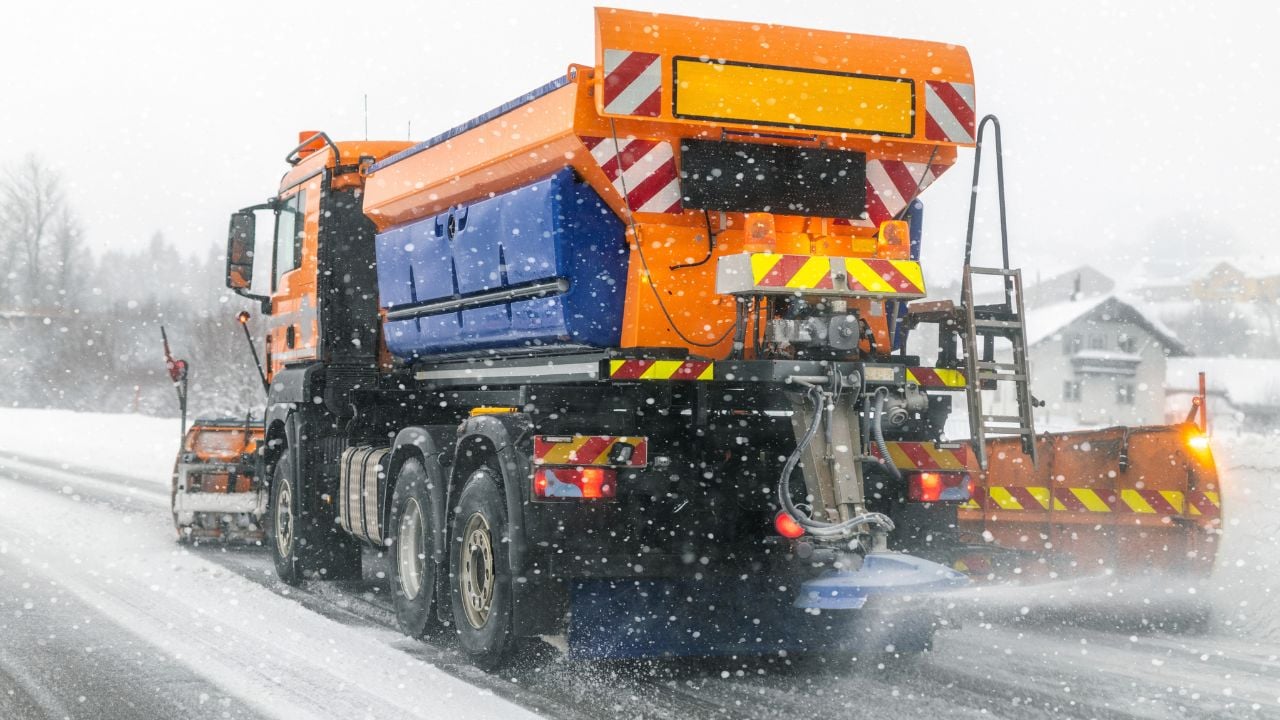
12 Things That Happen in Virginia the Moment Snow Is in the Forecast

Before last January’s big storm, Virginians were warned that snowplows might not reach subdivisions for several days.
Cue the preparations.
Here’s what happens in Virginia the moment snow is in the forecast, based on how last winter’s big storm played out.
1. Winter Storm Watches
The National Weather Service issued a Winter Storm Watch for parts of Virginia before the January 2026 storm.
Bland County posted a notice for January 24 to 26 saying the agency had issued a watch for its area.
Axios Richmond reported that the Richmond region was under a watch and had a 50% chance of getting six inches or more.
A watch means conditions are favorable for a significant winter storm event, so if one covers your county, the storm hasn’t arrived yet.
A watch can cover heavy sleet, heavy snow, an ice storm or a combination.
A watch isn’t a warning.
Watch, Warning or Advisory?
For a snow forecast, the National Weather Service uses two other alerts besides the watch.
A Winter Storm Warning covers a significant winter weather event, including snow, ice, sleet or blowing snow.
If you’re under a warning, delay your travel plans until conditions improve.
Travel can become difficult or impossible in some situations.
A Winter Weather Advisory covers snow, blowing snow, ice or sleet that shouldn’t be hazardous enough to meet warning criteria.
Under an advisory, be prepared for winter driving conditions and use caution when driving.
2. State of Emergency Declarations
Gov. Abigail Spanberger declared a state of emergency on January 22, 2026, ahead of a winter storm.
The worst impacts were expected on Saturday, January 24, and into Sunday, January 25, two days after the order took effect.
The order also activated the Virginia Emergency Operations Center and the Virginia Emergency Support Team.
State agencies were working with local governments and utility partners.
This order is designed to help the state prepare for the storm’s impacts, respond to them and recover from them.
If you were wondering what it asked of you and your household, the governor’s release said everyone should stay informed and avoid travel when possible.
It stayed in force for 30 days unless the state amended or rescinded it sooner.
3. Price-Gouging Protections
The governor’s order activated Virginia’s price-gouging law, which starts at Code of Virginia § 59.1-525, on January 22, the day it took effect.
During a declared disaster, the law makes it unlawful for a supplier to sell, lease or offer to sell necessary goods and services at an unconscionable price.
One factor is whether a price grossly exceeded what the supplier charged in the 10 days before the disaster.
If you’re shopping in the area the order covered, any price you were offered can fall under that law.
4. National Guard Activation
The state put its National Guard on State Active Duty under that same order.
The order also authorized a maximum of $2,750,000 in state funds.
If you’re wondering who else responds, Charlottesville’s NBC29 reported that the declaration mobilizes the Virginia Department of Transportation (VDOT), the Guard, State Police and the Department of Emergency Management.
VDOT crews and linemen would begin their response once the snow and ice cleared, expected Sunday night or Monday morning.
5. Brine Pretreatment
VDOT crews can pretreat roads with brine, a mix of salt and water, before a storm arrives.
If rain is expected ahead of the snow where you live, VDOT’s January 2025 statewide release said pretreatment may not happen there.
Before that storm, VDOT’s Staunton District said all interstates and major primary and secondary roads had been pretreated.
Crews and contractors would be staged that afternoon and into the evening, then work 12-hour shifts.
In January 2026, the governor’s office said crews were pretreating bridges and roadways again.
6. Subdivision Plow Warnings
Before the January 2026 storm, the governor’s release said plows may not get to subdivisions for several days after the storm ends.
VDOT clears interstates and most major primary roads first.
Virginia Department of Emergency Management coordinator John Scrivani gave a shorter window, Axios Richmond reported: VDOT could take 24 to 48 hours to plow non-main roads after the storm ends.
If you live in a subdivision, those warnings were about your street, and anyone who absolutely needed to be somewhere was told to get there before the storm began.
Travelers also shouldn’t expect to see bare pavement, since snow removal operations take time.
Psst! How much do you know about Virginia’s weather, geography and history? Take our quiz and see if you can ace it.
Quiz
Virginia Weather IQ
Answer these questions on Virginia’s weather, geography and history. We bet you can’t get them all right. Prove us wrong?
Virginia’s record single-storm snowfall, set in January 1996, was about how many inches?
7. State Police Shifts
Virginia State Police troopers and supervisors were set to move to 12-hour shifts as the January 2026 storm approached, the governor's release said.
They were also to monitor roadway conditions statewide.
Everyone should stay off the roadways during and after the storm unless absolutely necessary.
If you did have to drive, use headlights so other drivers could see your vehicle.
8. Road Condition Checks
The governor's office told Virginians where to check road conditions before the January 2026 storm.
You could visit the 511 Virginia website, check the 511 Virginia mobile app or call 511 for road condition updates.
If you had to drive, VDOT's January 2025 storm notice said to watch for falling tree limbs and to be alert for bridges and overpasses, which freeze first.
9. Fairfax County School Closures
Fairfax County Public Schools (FCPS) canceled all activities in school buildings and on school grounds from 6 p.m. Saturday, January 24, 2026, through Sunday, FFXnow reported.
On Sunday, FCPS announced that all schools and central offices would be closed Monday, January 26.
Forecasters expected 6 to 10 inches of snow and sleet.
If you're a Fairfax County parent, FCPS tries to make decisions in the evening so you have time to make arrangements.
When the forecast is uncertain, the superintendent decides whether to delay or close schools by approximately 4:30 a.m., after the latest morning forecast.
The FCPS website is updated first, with an alert at the top of each page.
10. Snow Emergency Routes
The City of Alexandria declared a snow emergency in advance of the winter storm expected that weekend in January 2026.
The city's notice told drivers to get their vehicles off the snow emergency routes by 10 p.m. on Saturday, January 24.
Parking is prohibited on the designated routes so crews can plow and treat roads, and vehicles left there may be ticketed or towed.
The routes are posted with red and white signs, and King Street, Duke Street, Washington Street and U.S. Route 1 are among them.
If you park on one of those streets, the 10 p.m. deadline applied to your car.
11. Dominion Energy Crews
Dominion Energy was mobilizing hundreds of trucks and hundreds of staff ahead of the January 2026 storm, spokesperson Craig Carper told 12 On Your Side.
The company was also working to secure additional contractors and assistance from out of state.
Carper said ice was the more concerning part of the forecast, and that about a quarter inch of ice can be enough to knock out power.
Dominion would prioritize power restoration for hospitals, schools and water treatment facilities.
If you see a downed pole or wire, Dominion's safety tips said to stay at least 30 feet away.
Fully charge your phones, computers and other devices before the storm arrives.
12. Richmond's Water Plant
Richmond prepared its water treatment plant ahead of the January 2026 storm.
A power switch failure at the plant kept backup generators from starting during the 2025 winter storm.
The city and surrounding counties went without water for nearly a week, Virginia Mercury reported.
Before the 2026 storm, Richmond Department of Utilities Director Scott Morris said the plant had both power feeds available, and that backup generators were available too.
Mayor Danny Avula said new preparations had been made at the plant ahead of the storm.
If you get water from Richmond's plant, those were the preparations city officials pointed to.
Richmond's Snow Average
Richmond's average snowfall is 8.8 inches a year under the federal 1991-2020 climate normals.
That's down from 10.3 inches in the 1981-2010 normals.
Each of those averages covers 30 years of winters.
If you plan around the average, 12 On Your Side reports Richmond's biggest snow total ever was 21.6 inches, on January 22 and 23, 1940.
8 Things a Closed Waffle House Means for Virginians Before a Storm
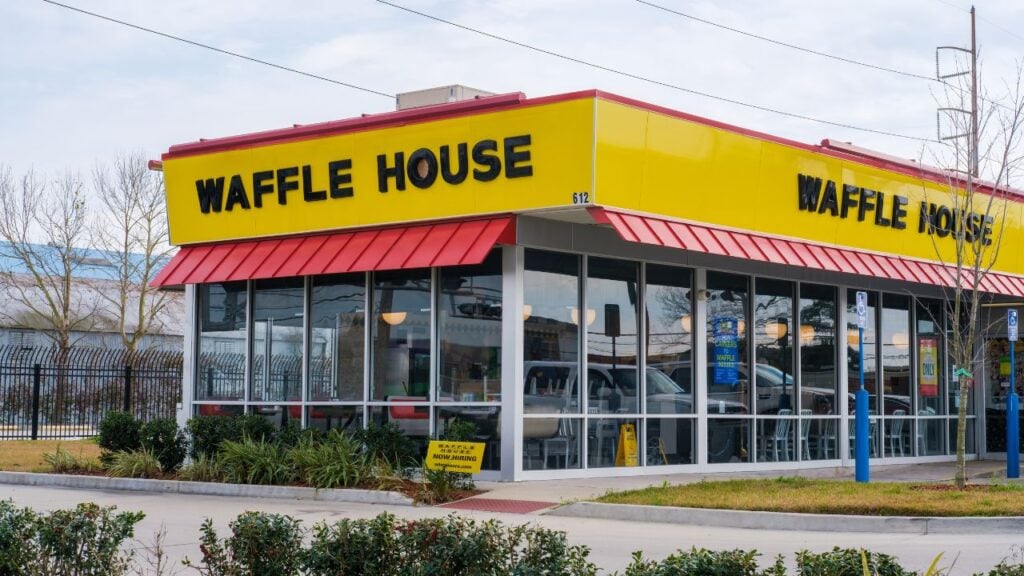
What does it mean when a Waffle House closes before a storm?
Here's what it can mean for Virginians.
8 Things a Closed Waffle House Means for Virginians Before a Storm
8 Smartphone Settings Older Virginians Should Turn On Before Winter Storm Season

Your phone can be a lifeline in a storm.
The settings that matter in a storm don't always turn on by default.
8 Smartphone Settings Older Virginians Should Turn On Before Winter Storm Season
