
3 Big Differences Between Cub and Hy-Vee Every Minnesotan Should Know

Hy-Vee is employee-owned, and its Employees’ Trust Fund goes back to 1960.
Minnesotans who pick a favorite grocery store might not know that, or how the two chains compare.
Here are the big differences between Cub and Hy-Vee every Minnesotan should know.
1. Shelf Prices
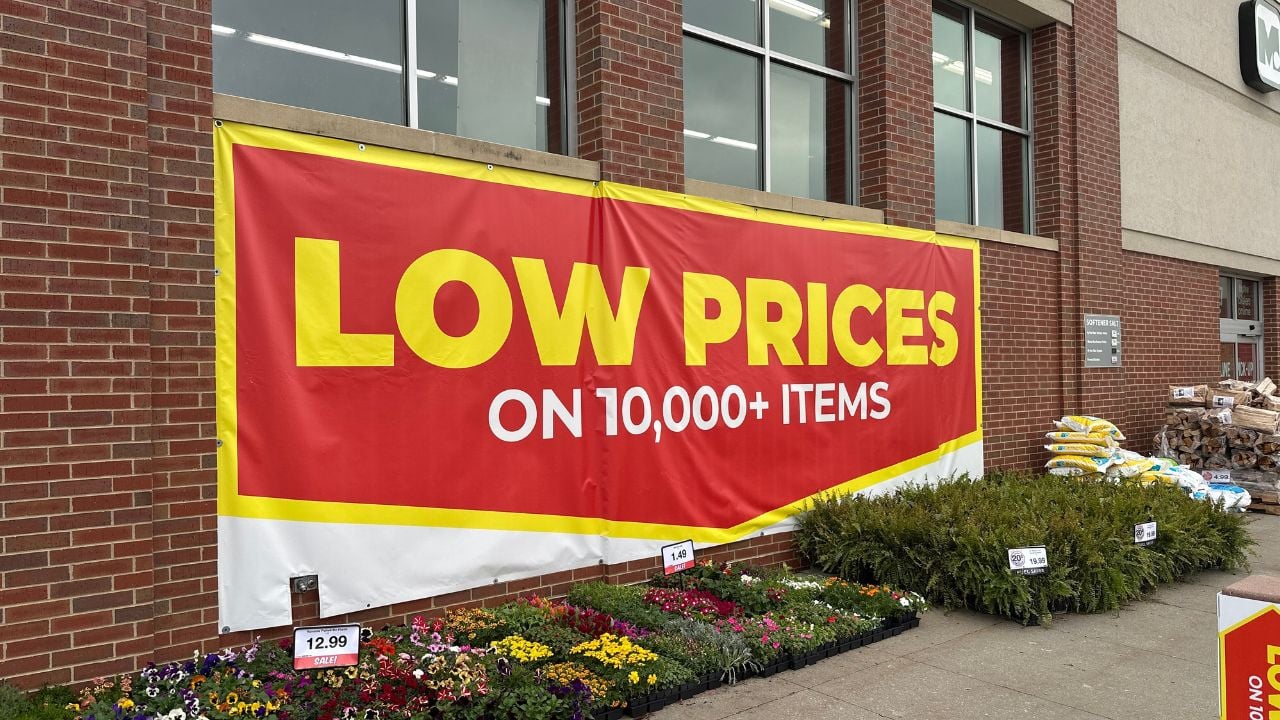
Hy-Vee’s prices averaged 8 percent lower than Cub’s in a Twin Cities comparison from Consumers’ Checkbook, which last updated it in November 2025.
That puts a $100 Cub cart at about $92 at Hy-Vee.
In early 2025, a Bring Me the News check of 22 grocery items at 12 Twin Cities stores put Hy-Vee’s basket at $86.11 and Cub’s at $90.50.
A year earlier, the baskets were $75.76 at Hy-Vee and $84.25 at Cub.
So the gap narrowed.
Hy-Vee’s basket rose 14 percent in a year, while Cub’s rose 7 percent.
That check priced the cheapest option for each item and left out sale prices.
If you buy mostly what’s on sale, your cart may come out differently.
Price your usual list at both stores before you switch.
How Checkbook Priced Cub and Hy-Vee
Consumers’ Checkbook researchers shopped Cub, Hy-Vee and other Twin Cities stores with a 150-item list to find price differences between the chains.
Prices at the Cub and Hy-Vee locations surveyed were about the same from store to store.
So the 8 percent figure describes the Twin Cities locations in its survey, not every store in the chain.
2. Shopper Ratings
In that same comparison, 56 percent of surveyed customers rated Hy-Vee “superior” overall.
Cub earned that rating from 38 percent.
That’s an 18-point gap.
Those are survey ratings from shoppers, so your store may differ.
If you’ve been loyal to one store for years, your experience may point the other way.
Psst! How much do you know about Midwest food history? Take our quiz and see if you can ace it.
Quiz
Midwest Food IQ
Answer these questions on Minnesota and Midwest food history. We bet you can’t get them all right. Prove us wrong?
Hormel introduced SPAM in 1937 to use up a surplus of which cut of meat?
3. Your Store's Owner
Hy-Vee is employee-owned, according to its corporate page.
The Employees' Trust Fund dates to 1960.
Officers, store directors and executive staff are the direct stockholders.
More than 40,000 employees in the Hy-Vee and Affiliates 401(k) Plan are indirect stockholders.
Cub's structure differs.
Cub's parent company is United Natural Foods Inc. (UNFI), which acquired the Cub banner in its 2018 purchase of Supervalu.
UNFI said in August 2026 that it agreed to sell three Cub stores in Minneapolis, Monticello and St. Anthony to Jerry's Enterprises, which Supermarket News calls Cub's largest franchisee.
If you shop one of those three, the Cub sign will stay up if the sale closes, but the owner behind it would change.
Franchise partners run other Cub stores, so if you're a Cub shopper, the owner behind your store may be UNFI or a franchisee.
7 Smart Thermostat Settings Minnesota Homeowners Should Set Before Winter

Smart thermostats are smarter than they used to be, but only if you set them up right.
These are the settings Minnesota homeowners should set before winter.
7 Smart Thermostat Settings Minnesota Homeowners Should Set Before Winter
7 Things Minnesota's Cold Weather Rule Stops a Utility From Doing Starting October 1

A Minnesota utility can't just flip the switch on an unpaid heating bill this fall.
State law ties its hands.
7 Things Minnesota's Cold Weather Rule Stops a Utility From Doing Starting October 1
