
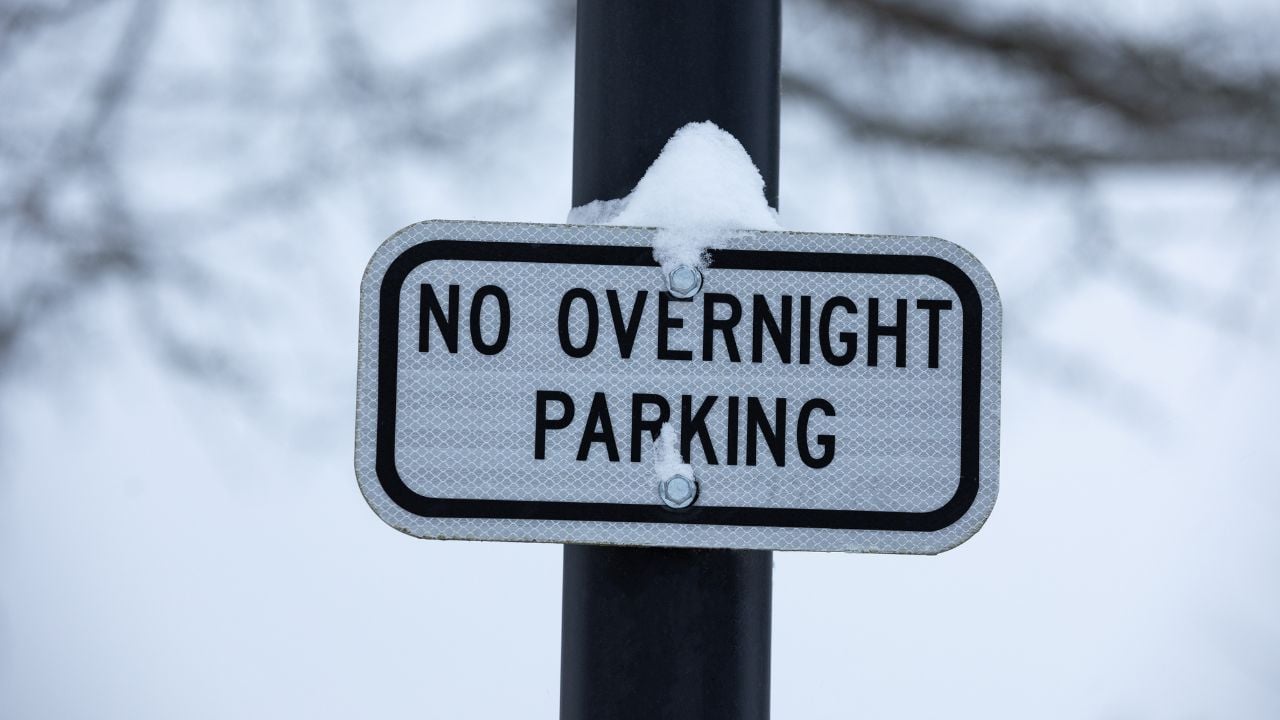
5 Chicago Winter Parking Ban Rules That Get Illinoisans Towed

Parking on a main Chicago street overnight usually doesn’t feel like a gamble.
But starting next week, the hour you move your car could decide whether it’s still there in the morning.
Here are the Chicago winter parking ban rules that get Illinoisans towed.
Note: This is general information, not legal advice. Parking rules, fees and restricted streets are subject to change, so confirm the current details with the Chicago Department of Streets and Sanitation.
1. Posted Streets
Starting Dec. 1, Chicago can tow cars from the 107 miles of main streets covered by its overnight parking ban, not every block.
Permanent signs are posted along the affected routes.
The Sun-Times’s 2025 list of affected streets included parts of Archer, Kedzie, Cottage Grove, 79th and 103rd.
The city also publishes a map of the affected streets, so check it if you are unsure about your block.
2. 3 a.m. Cutoff
Chicago enforces its overnight parking ban from 3 a.m. to 7 a.m., Dec. 1 through April 1.
The city says violators are towed, so your car is at risk on a posted street during those four hours.
If you park on a posted street in the evening, set an alarm to move your car before 3 a.m.
When Chicago’s Parking Ban Begins
Dec. 1, 2026 is a Tuesday, so the ban’s first 3 a.m. enforcement window falls in the early hours of that day, after Monday night, Nov. 30.
Unless the city delays the start, Monday night is the first night a car left on a posted street can be ticketed or towed.
Move your car off the street before 3 a.m. Tuesday.
3. Tow Zone
The city calls the overnight ban area a permanently posted seasonal tow zone, so a car left there can be towed.
The ticket is $60, the towing fee is at least $150, and storage starts at $25 a day.
That’s at least $235 for a car towed and stored for one day.
The city says that once a vehicle has been raised from where it was parked, it must go to the pound.
4. Dec. 1 to April 1
The ban runs from Dec. 1 through April 1, and the city enforces it regardless of snow.
The city says the ban lets emergency vehicles and public transportation move freely and keeps parked cars from obstructing snowplows.
5. Heavy Vehicles
The overnight ban’s $150 towing fee is a minimum, and the city’s towing schedule charges more for bigger vehicles.
For a vehicle of 8,000 pounds or more, towing is $250 and storage is $50 a day, up to a $1,000 maximum.
The city notes that exceptions may apply to the storage fee amount.
A Separate Two-Inch Ban
Chicago also has a separate two-inch snow ban on another 500 miles of main streets, the city’s snow-clearing page says.
It applies once at least two inches of snow are on the street, no matter the time of day or the calendar date.
The city says it isn’t activated often.
A car parked there could get a ticket or be relocated so crews can clear the snow.
Tow Counts
Chicago towed 9,594 vehicles under its overnight parking ban between Dec. 1 and April 1 in the winter of 2018-19, according to a Fox 32 report from December 2019.
That averages out to roughly 80 cars a night.
On the first morning of the next ban, nearly 250 vehicles were towed after it took effect at 3 a.m.
Those counts are about seven years old, so this winter will differ.
2024 Delay
Chicago delayed its overnight parking ban by one day in 2024, to Dec. 2, but 244 drivers were still towed that morning.
On Dec. 1 itself, officials put warning flyers on violating cars instead of writing tickets, citing the holiday weekend.
The Sun-Times called the delay an “unusual reprieve.”
Finding Your Car
According to the city’s towing page, you can call 311 or search the city’s vehicle locator to find a towed car.
Cars towed under the ban go to Pound 2 at 10301 S. Doty Ave. or Pound 6 at 701 N. Sacramento.
The city says both pounds are open 24 hours a day, 365 days a year.
If your car isn’t at the pound, the city says it may have been relocated, so call 311 before reporting it stolen.
What to Bring
After a Chicago parking ban tow, the city’s towing page says the pound requires a valid photo ID.
Proof of ownership can be a title, a current registration card or a bill of sale no more than 30 days old.
If you lease your car, bring your lease agreement.
If someone else is picking up your car, they need an original, notarized letter from you as the owner.
A valid driver’s license is required if you’re driving the car out, along with current state plates and a Chicago vehicle sticker, if required.
Psst! How much do you know about winter parking, driving and snow rules in Chicago and Illinois? Take our quiz and see how many you can get right.
Quiz
Chicago Winter Rules IQ
Answer these questions on winter parking, driving and snow rules in Chicago and Illinois. We bet you can’t get them all right. Prove us wrong?
Which way of leaving a car running while you’re away does Illinois law make an exception for?
Paying and Deadlines
When Chicago's overnight parking ban tows your car, the pound takes cash and major credit cards.
You also have to make full payment of all charges and fines before the car is released.
Personal checks aren't accepted.
You can pay at the pound holding your car or at a Department of Finance Payment Center.
The city normally stores a car for up to 21 days before it can be auctioned or destroyed.
The Department of Finance page says you can request a 15-day extension from Streets and Sanitation at 312-746-4954, Monday to Friday, 7 a.m. to 3 p.m.
7 Heat Rules Chicago Landlords Owe Illinois Renters This Winter

Is your Chicago apartment heated the way the rules say it should be?
This article walks through seven heat rules your landlord owes you this winter.
7 Heat Rules Chicago Landlords Owe Illinois Renters This Winter
Portillo’s Prices Are Up and Orders Are Down. Illinoisans, Here’s What the Chain Says Changed
Portillo's prices are up and its orders are down.
This article covers what the chain says changed.
Portillo’s Prices Are Up and Orders Are Down. Illinoisans, Here’s What the Chain Says Changed
