
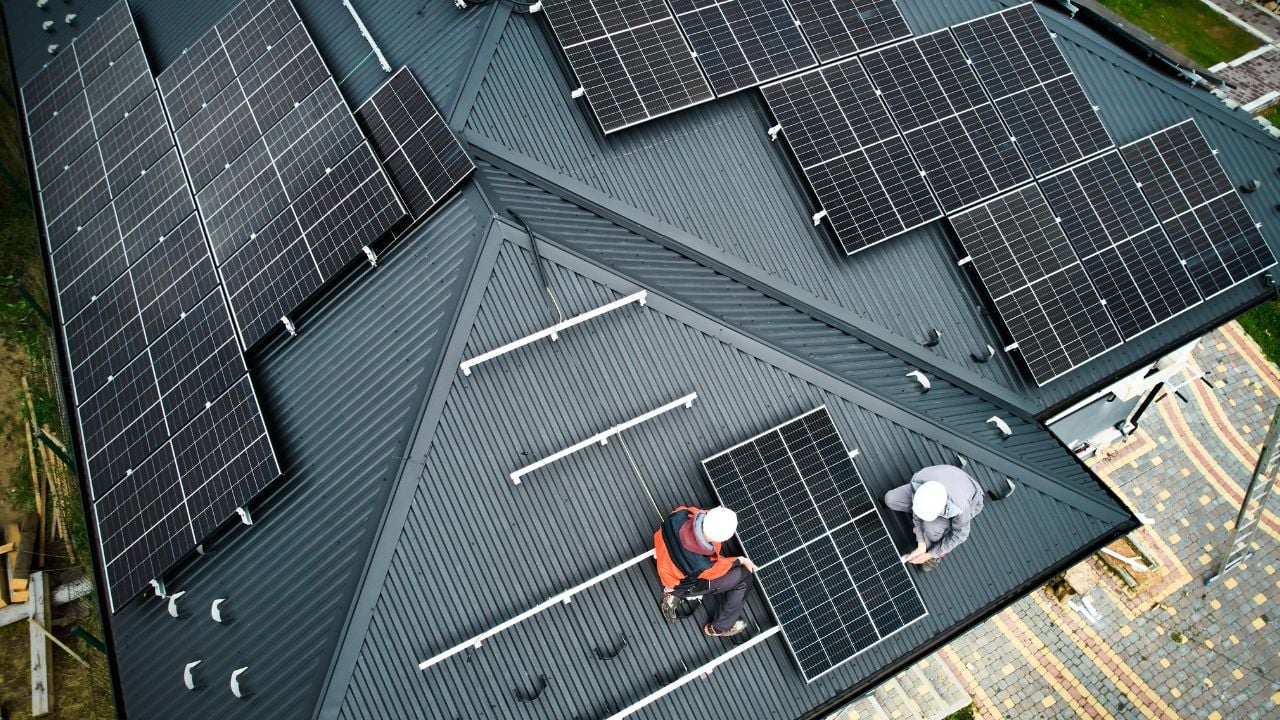
How Much Do Solar Panels Cost in North Carolina in 2026?

Solar panels cost about $2.35 a watt to install in North Carolina in 2026.
The average system runs close to $32,805 before any incentives.
That’s a bigger number than it would have been a year ago because the federal tax credit that used to shave 30% off it expired at the end of 2025.
Cash and loan buyers are now paying close to that full price.
North Carolina still has a few ways to lower that bill, and Duke Energy just rewrote what solar saves you every month.
Note: This is general information, not financial or tax advice. Tax credits, utility rates, and incentive programs are subject to change.
North Carolina Solar Costs by System Size
North Carolina homeowners pay an average of about $2.35 a watt for a fully installed solar system, based on marketplace pricing gathered across the state.
The typical North Carolina system runs 13.97 kilowatts and costs about $32,805 before incentives, with many homeowners landing somewhere between $27,884 and $37,726.
Size decides almost everything.
North Carolina homes also use more electricity than the typical American house, about 19,000 kilowatt-hours a year.
Installers often size a North Carolina system toward that larger end just to cover the bigger bill.
A smaller home running a 6- to 8-kilowatt system can still land closer to $15,000 to $22,000 before incentives, well under the state’s typical cost.
Why the Sticker Price Just Went Up
Solar panels in North Carolina lost their biggest financial cushion at the end of 2025, when the federal 30% tax credit expired for good.
That credit had applied to solar bought with cash or a loan for nearly two decades.
Now it’s gone.
A homeowner who would have paid $22,400 out of pocket on a $32,000 system last year owes the full $32,000 this year.
Leasing the panels or signing a power purchase agreement (PPA) is the one path still standing because the company that owns the system can claim a business version of the credit and pass part of it along as a lower monthly payment.
You just never own the panels.
What North Carolina Still Offers
North Carolina dropped its own solar tax credit years ago and hasn’t brought it back.
What’s left is a property tax break: The state excludes 80% of a solar system’s added value from your property tax bill.
State lawmakers introduced a bill in 2026 that would end that break for any system installed after July 1, 2027.
So the exclusion isn’t guaranteed to outlast the decade.
Duke Energy also runs a program called PowerPair that pays up to $9,000 to homeowners who install solar and a battery together.
Panels alone don’t qualify.
Only Duke Energy Carolinas customers can currently apply for PowerPair.
Duke Energy Progress closed its territory to new applications in November 2025.
Even Duke Energy Carolinas’ remaining capacity is running low.
North Carolina law also keeps a homeowners association (HOA) from banning a solar project outright, a protection covered in more depth in our HOA rules roundup, so a planned community isn’t the dead end it used to be.
Psst! How much do you know about solar tax breaks and North Carolina policy? Take our quiz and see if you can ace it.
Quiz
North Carolina Solar Incentives Quiz
Answer these questions on solar tax breaks and North Carolina policy. We bet you can’t get them all right. Prove us wrong?
In what year did Congress create the first federal tax credit for solar power?
How Net Metering Changes the Math
Duke Energy no longer credits a solar home for extra power at the full retail rate.
New solar customers go on Duke Energy's Net Metering Bridge rate (NMB) or eventually its Residential Solar Choice rate (RSC), which requires time-of-use pricing.
Either way, the power you send back to the grid earns the Net Excess Energy Credit rate, based on Duke Energy's avoided cost, not the price you'd pay to buy that same electricity back.
That's a straight pay cut.
North Carolina's Public Staff, the state agency that represents utility customers, confirms homeowners who locked in full retail-rate net metering before the 2023 cutoff keep that grandfathered deal for now.
Even they have to move onto the NMB rate by the end of 2026.
Nobody stays on the old deal forever.
The Math Behind Duke Energy's 30% Cut
Duke Energy's move away from one-for-one net metering is the reason a North Carolina solar payback now stretches past 14 years.
Expert testimony in the state's rate case put the hit at about 30% of a typical solar customer's bill savings, so a homeowner who used to save $100 a month off their power bill nets closer to $70 with the same system today.
How Long Until Solar Pays for Itself
A North Carolina solar system paid for itself in about 10.3 years back when the federal credit still applied.
Without it, that payback now runs closer to 14.6 years, about four and a half years longer.
A system carrying a 25-year warranty still produces free electricity for years past that point, just less of it than it would have a year ago.
That's a decade of overlap.
Where North Carolina's electric rates land compared to the rest of the country plays into why the payback runs long here.
Cheaper grid power always means smaller monthly savings, which stretches out the years it takes a system to earn back its cost.
A homeowner planning to sell the house within five years should weigh whether solar pencils out before that math ever finishes.
Psst! How much do you know about solar's price history? Take our quiz and see how many you can get right.
Quiz
Solar Panel Pricing Quiz
Answer these questions on solar's price history and North Carolina's standing. We bet you can't get them all right. Prove us wrong?
In 1977, a single watt of solar cell capacity cost around how much?
Why Your Region Changes the Price
The Piedmont around Charlotte and Raleigh drives North Carolina's cheapest solar quotes, while the mountain counties near Asheville tell a pricier story.
More installers compete for the same customers in that corridor, which tends to push bids lower.
Not every county gets it.
Those same mountain counties have fewer installers to choose from, and the added drive time and labor cost show up in the final quote.
Coastal counties add their own markup, since panels there need wind-rated mounting hardware built to hold up in a hurricane.
A homeowner in Wilmington and a homeowner in Boone can get quotes for the identical system that land thousands apart.
Psst! How much do you know about North Carolina's power grid? Take our quiz and see if you can score 100%.
Quiz
North Carolina Power Grid Trivia
Answer these questions on North Carolina's electricity and solar standing. We bet you can't get them all right. Prove us wrong?
North Carolina's average electricity rate runs about how much below the national average?
FAQ
Quick answers to what North Carolina homeowners ask most about solar costs in 2026.
What is the average cost of solar panels in North Carolina in 2026?
A North Carolina system typically runs about $32,805 before incentives, or close to $2.35 a watt, though a smaller home can pay significantly less and a larger one more.
Is there still a federal tax credit for home solar in 2026?
No, the 30% federal credit for cash and loan purchases expired on December 31, 2025. A leased or PPA system can still benefit indirectly through the installer's own tax credit.
Does North Carolina offer any solar incentives?
Yes. The state excludes 80% of a solar system's added value from property tax, and Duke Energy's PowerPair program pays up to $9,000 for a paired solar-and-battery system.
How does Duke Energy's net metering work now?
New solar customers earn the Net Excess Energy Credit rate for power sent back to the grid, based on Duke Energy's avoided cost rather than the full retail rate, plus a required minimum monthly bill.
How long does it take solar panels to pay for themselves in North Carolina?
About 14.6 years on average now that the federal credit is gone, up from roughly 10.3 years when it still applied.
Why North Carolina's Mountains Turn Blue
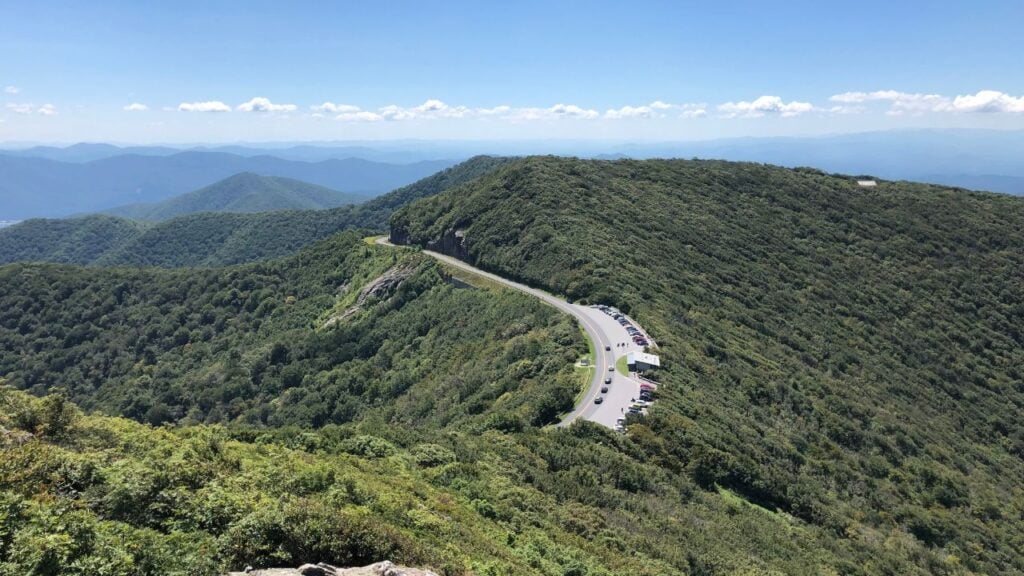
Ask ten hikers on the Blue Ridge Parkway why the ridges look blue, and many will guess the sky or the altitude.
Scientists took more than a century to nail down the answer.
The Real Reason North Carolina's Mountains Turn Blue in the Distance
10 Things North Carolinians Know Not to Do During Hurricane Season
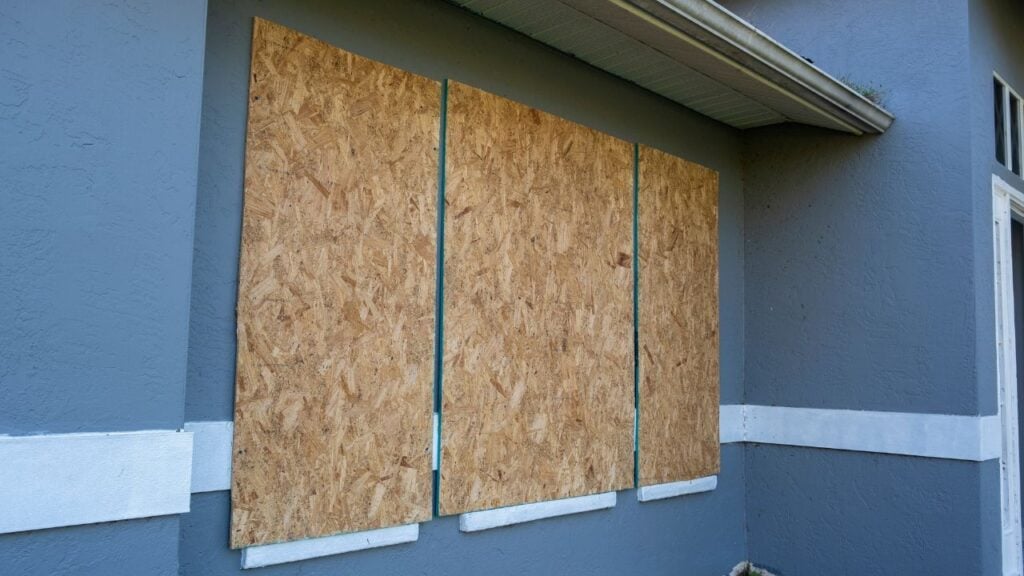
North Carolina's mountains used to feel like the safe half of the state once hurricane season hit.
That reputation didn't survive Hurricane Helene.
10 Things North Carolinians Know Not to Do During Hurricane Season
