
What Florida’s Property Insurance Crisis Means for Retirees on Fixed Incomes

Ask any retiree: Florida’s no-income-tax promise loses its shine the day their insurance bill lands.
The premium that came with the dream house has, for many, turned into the scariest line in their budget.
Here’s what the property insurance crisis means for Floridians living on a fixed income, and the changes starting to ease it.
Note: This is general information, not insurance or financial advice. Rates, discounts, and coverage terms are subject to change, so confirm the specifics with your insurer or agent.
The Bill That Outran Retirement
Florida homeowners pay the highest property insurance premiums in the country, far above the national norm.
The state is the most expensive in the nation, running well over double the typical U.S. bill.
For a working family, that stings.
For a retiree whose income barely moves from year to year, a premium that keeps rising eats straight into groceries, medicine, and gas.
The typical U.S. homeowner pays a fraction of what a Florida coastal homeowner does, and no fixed income was built to close that gap.
That’s the part of the crisis the headlines miss.
Why the Premiums Exploded
Florida’s insurance mess wasn’t one problem, but three stacked on top of each other.
Storms, lawsuits, and reinsurance.
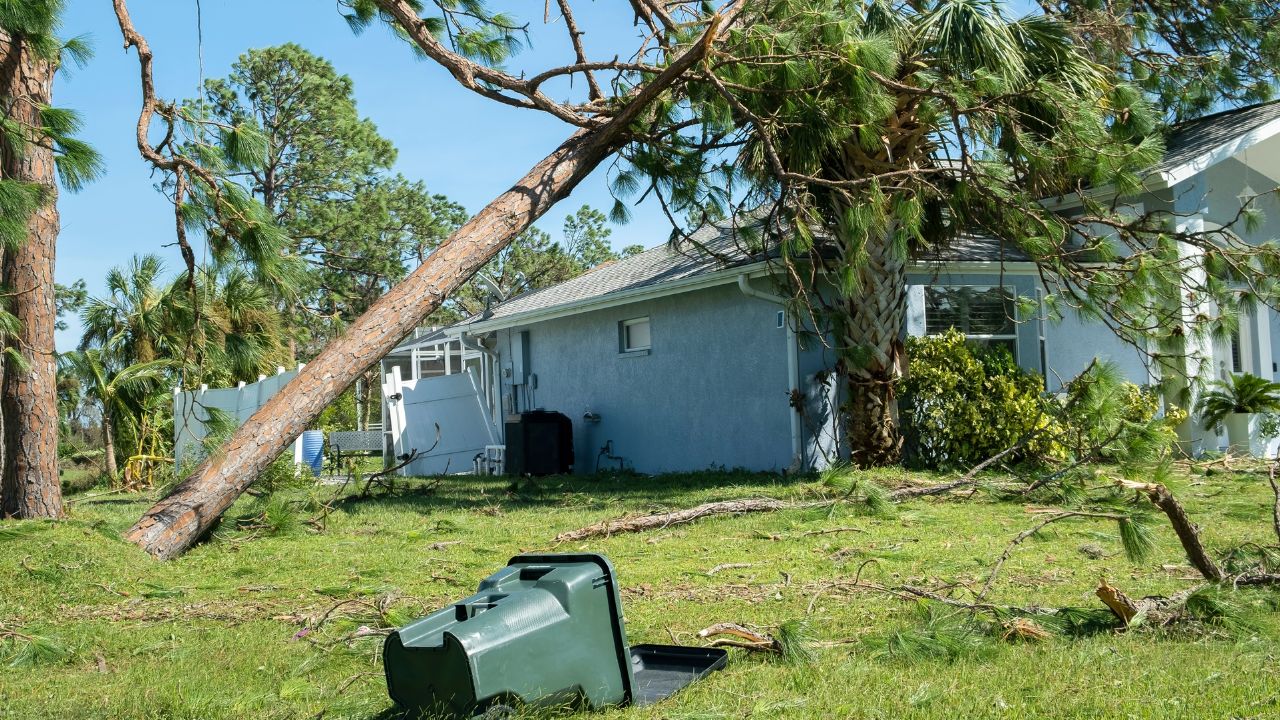
Hurricane after hurricane drove huge claims, while a wave of roofing lawsuits and assignment-of-benefits abuse piled legal costs onto every policy in the state.
Then the reinsurance that backs your insurer got pricier too.
Insurers passed all of it down to homeowners, and several went insolvent or fled Florida entirely, leaving retirees scrambling for a new policy at a worse price.
Between 2021 and 2023, close to a dozen Florida insurers went under, and several national names stopped writing new home policies in the state altogether.
The 2026 Turn
For the first time in years, Florida’s insurance news in 2026 is mostly good.
Prices are easing.
State-backed Citizens Property Insurance won approval for a statewide average 8.7% cut, with more than 330,000 policyholders across all 67 counties seeing a decrease.
South Florida, hit hardest by lawsuits, sees the deepest cuts, above 14% in Miami-Dade and Broward.
State officials credit reforms that ended one-way attorney fees and reined in the roofing-lawsuit racket, which pushed insurance litigation down sharply.
Private carriers are following, with recent rate cuts from Florida names like Florida Peninsula and Security First.
What a Fixed Income Feels
For a retiree, the insurance crisis shows up in one brutal spot. The escrow line.
Even a paid-off house pays it.
When a premium jumps, the yearly cost can equal an entire Social Security check, and there’s no raise coming to cover the gap.
Some Florida retirees have gone bare, dropping coverage they can’t afford, which is a gamble one storm can end.
A single bad renewal can wipe out a year of careful budgeting in one envelope.
Knowing how long your savings can take a shock like that is the first step, so it helps to run the numbers.
Psst! Wondering how long your nest egg can take a rising insurance bill? Run your numbers and see where you stand.
Wind Mitigation Pays You Back
One of the best moves a Florida retiree can make costs a couple hundred dollars up front.
Get the inspection.
Florida requires home insurers to give discounts for wind-mitigation features, so a report showing hurricane straps, a newer roof, or impact windows can shave real money off the premium.
Many older Florida homes qualify for credits nobody ever claimed.
A wind-mitigation inspection often pays for itself in the very first year.
Your roof age matters most of all, and in Florida, a newer roof can be the difference between a quote and a flat rejection.
When Citizens Is the Backstop
Citizens is the state’s insurer of last resort, and for a stretch, it became the only option many Floridians had.
That’s changing.
As private carriers returned, Citizens’ policy count fell sharply, dropping to its lowest level in years.
You generally can’t stay with Citizens if a private policy comes within 20% of its price.
Citizens also faces a state cap on how much it can raise a single rate in one year, which has shielded some retirees from the worst spikes.
So a retiree parked with Citizens should still check the private market each renewal because a cheaper offer can force the switch anyway.
Shop the New Competition
The single most useful thing the Florida reforms did for a retiree is bring insurers back to the table.
Seventeen new companies.
State regulators say 17 new insurers have entered Florida since the reforms, and several existing carriers have filed for rate cuts of their own.
More competition means more quotes worth chasing.
An independent agent who works with many carriers can put your Florida home in front of all of them at once, and loyalty to one insurer rarely pays.
Get fresh quotes every renewal, not just when a bill spikes, since the cheapest carrier this year may not be the cheapest next year.
The Non-Renewal Gut Punch
Even in a calmer market, a Florida retiree can still open the mail to a non-renewal notice.
Don’t panic, and don’t wait.
An insurer often drops a home over an old roof or a past claim, so start shopping the day the notice arrives and ask your agent exactly what fix would make you insurable again.
The market that trapped Florida retirees for years is finally loosening, and the ones who shop it hard are the ones who claw the savings back.
9 Tax Mistakes Florida Retirees Keep Making in 2026

Insurance isn’t the only Florida cost that drains a fixed income.
The tax traps that catch Florida retirees are easy to miss and just as expensive to ignore.
9 Tax Mistakes Florida Retirees Keep Making in 2026
How Florida Hurricane Deductibles Work (and What They Cost You)
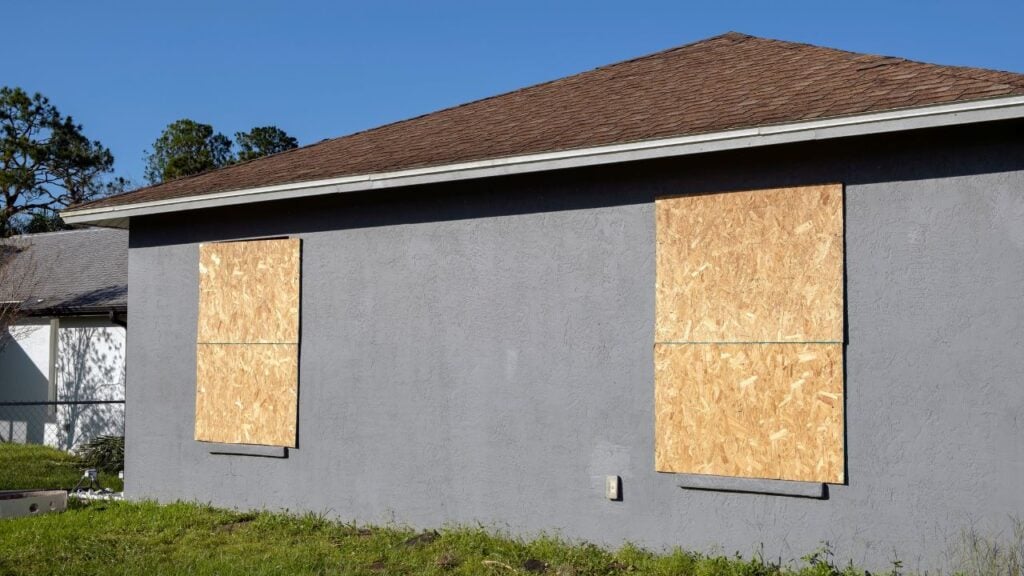
A lower premium still leaves one number that surprises Florida homeowners after a storm.
Your hurricane deductible isn’t a flat dollar figure, and knowing how it’s set can save you thousands.
How Florida Hurricane Deductibles Work (and What They Cost You)
