

What Happens If You Don’t Probate a Will in Florida?

Skipping probate on a Florida will doesn’t erase it, but it doesn’t stop the clock, either.
Nothing forces a Florida family to open probate the moment somebody dies.
Florida law still starts several clocks that same day, whether or not anyone ever walks into a courthouse.
Since July 1, 2026, the state has also let far more estates skip the full court process, doubling the old cutoff for a simplified case.
That change doesn’t touch the will sitting in a drawer, and the paperwork nobody filed doesn’t just sit there and wait.
Note: This is general information, not legal advice. Probate rules and dollar thresholds are subject to change, so confirm the current requirements with your county clerk of court.
The 10-Day Deadline to Deposit the Will
Florida law requires whoever is holding a deceased person’s will to deposit it with the clerk of court within 10 days of learning the person died.
The rule applies whether or not anyone plans to open a probate case at all.
There’s no filing fee, separate from whatever it already cost to write the will in the first place.
The clerk just needs the original document, plus the date of death or the last four digits of a Social Security number.
Miami-Dade is Florida’s most populous county, and depositing a will there means walking the original document into the Clerk of the Courts’ probate office at the Miami-Dade Justice Center in downtown Miami.
Florida’s e-filing portal won’t take an original will.
Miss the 10-day window, and the consequences land on the person holding the will, not on the estate.
A court can order the custodian to produce it, then make that person pay costs, damages, and the other side’s attorney’s fees.
So the custodian still has to file the will, even when a family isn’t ready to deal with the rest of probate yet.
Whether the Estate Still Qualifies for Summary Administration
Not probating a Florida will right away doesn’t automatically make the paperwork harder later.
Sometimes delay is exactly what qualifies the estate for the fastest track through probate.
Summary administration is that shortcut: No personal representative, no year of formal filings, often finished in weeks.
An estate qualifies for it once the person has been dead for more than two years, no matter its value, so waiting can open that door instead of closing it.
There’s also a value-based way in that has nothing to do with how long a family waited.
As of July 1, 2026, an estate qualifies if its assets subject to probate come to $150,000 or less, not counting exempt property.
It doubles the old $75,000 cutoff, and it only applies to deaths on or after that date.
Deaths before July 1, 2026 still fall under the older $75,000 limit.
What Doesn’t Count Toward Florida’s $150,000 Cap
Florida’s summary-administration cutoff only counts probate assets exposed to creditor claims, so a chunk of a typical estate never counts toward the total.
A homestead, up to $20,000 of household furnishings, and two vehicles used by the family are exempt property and stay off the ledger.
That’s why an estate that looks well over $150,000 on paper, house included, can still qualify for the simpler process.
The Two-Year Window Creditors Still Have
Florida law protects creditors with a hard outer deadline, and it keeps running whether or not a family ever files for probate.
Formal probate normally gives creditors just three months to file a claim, once the estate publishes a Notice to Creditors in a local newspaper.
Skip probate, and that notice never goes out, so the three-month clock never starts.
What’s left is the outer limit: Florida Statute 733.710 bars claims against the estate two years after the person’s death, whether letters of administration were ever issued or not.
Heirs who already collected property through a summary administration can still be on the hook for valid claims inside that window.
A mortgage or another recorded lien isn’t affected by any of this.
Those survive on their own timeline, and a lienholder can still enforce one directly against the property.
Psst! How much do you know about Florida’s probate court? Take our quiz and see how many you can get right.
Quiz
Florida Probate Court IQ
Answer these questions on Florida’s probate court and its rules. We bet you can’t get them all right. Prove us wrong?
Who presides over a Florida probate case?
Which Assets Skip Probate Anyway
Not probating a Florida will doesn't put every asset at risk, since several kinds of property change owners automatically no matter what happens with the will.
A bank or investment account with a payable-on-death or transfer-on-death designation goes straight to that named person.
Real estate titled with another owner as joint tenants with right of survivorship works the same way.
So does property spouses hold as tenants by the entirety.
That's automatic.
A life insurance policy, annuity, or retirement account with a named beneficiary pays that person directly, never the estate.
Assets inside a properly funded trust follow the trust's own terms, not the will.
None of that requires filing the will or opening a case.
Skipping probate creates exposure only for what's left: Everything titled in the deceased person's name alone.
Why the House Gets Stuck in Limbo
Florida real estate titled solely in a deceased owner's name doesn't retitle itself just because there's a will.
A buyer's title company needs a clear chain of ownership before it will insure the sale.
Until a Florida court proceeding establishes who owns that property now, the chain has a gap in it.
That gap stalls everything.
Heirs sitting on an unprobated will often can't sell the house, and they usually can't refinance it either, since a lender won't close a loan against a title nobody can insure.
Until that happens, the house just sits there.
Property taxes and insurance keep coming, but nobody can sell the house or refinance it.
Psst! How much do you know about Florida's homestead and estate shortcuts? Take our quiz and see how many you can get right.
Quiz
Florida Homestead & Estate Shortcuts
Answer these questions on Florida's homestead rules and probate shortcuts. We bet you can't get them all right. Prove us wrong?
What special status can shield a Florida home from counting toward regular probate assets?
How Long You Can Legally Wait
A Florida family that never opens probate doesn't trigger a fine or a deadline for it, since state law sets no formal cutoff requiring a case at all.
No statute says a will must reach a judge within six months, a year, or any set window.
None of that cancels what's already running, though.
The 10-day rule for depositing the will still applies on its own clock, separate from opening a case.
A family that waits years can still open probate later, and the same tracks and timelines apply once they finally do.
Summary administration, once filed, often wraps up in a matter of weeks.
Formal administration takes longer.
The Florida Bar's own guidance puts a simple formal case at roughly five or six months from start to finish, since the estate has to stay open for at least the three-month creditor period.
Families who let a will sit for years sometimes end up making exactly the kind of estate planning mistakes Floridians catch too late.
Psst! How much do you know about Florida wills and estate taxes? Take our quiz and see how many you can get right.
Quiz
Florida Wills & Estate Tax Trivia
Answer these questions on Florida wills and estate tax rules. We bet you can't get them all right. Prove us wrong?
Does Florida recognize a handwritten will with no witnesses, sometimes called a holographic will, as valid?
FAQ
Quick answers to the questions families ask most about probating a will in Florida.
Do you have to probate a will in Florida?
Not always. Assets like payable-on-death accounts and jointly titled property skip probate on their own, but property titled solely in the deceased owner's name usually needs a Florida probate proceeding before anyone can sell or refinance it.
Is there a deadline to probate a will in Florida?
Florida sets no formal deadline to open a probate case. The custodian of the will still has to deposit the original document with the clerk of court within 10 days of learning of the death.
What happens if a will is never filed for probate in Florida?
Property titled in the deceased person's name alone stays stuck, since nobody can get clear title to sell or refinance it.
Creditor claims also stay open for up to two years after the death.
Can you sell a house in Florida without going through probate?
Only if the title already passed outside probate, through joint ownership, a trust, or a similar arrangement. A house titled solely in the deceased owner's name generally needs a probate order before a title company will insure the sale.
How much can a Florida estate be worth and still skip formal probate?
As of July 1, 2026, an estate worth $150,000 or less, not counting exempt property like a homestead, qualifies for summary administration instead of formal administration. Any estate qualifies once the person has been dead more than two years, regardless of value.
Florida adds a separate step for an out-of-state resident who still owned property in Florida when they died.
The family still needs a Florida court to formally admit that other state's will before the Florida property's title clears, even though probate already wrapped up somewhere else.
10 Things Your Florida Garbage Collector Wants You to Know

Your garbage collector notices more about your trash setup than you'd think.
One habit on this list is slowing down your entire street's pickup.
10 Things Your Florida Garbage Collector Wants You to Know
9 Florida Metal-Detecting Laws That Limit Where Treasure Hunters Can Search
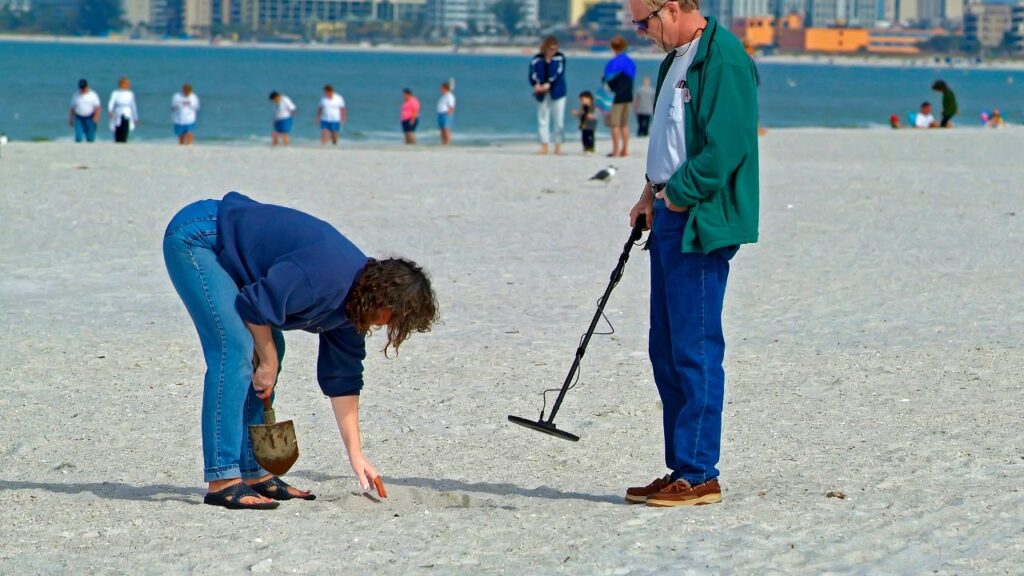
A metal detector doesn't come with permission to dig wherever it beeps.
One of these Florida rules turns an afternoon hobby into a felony charge.
9 Florida Metal-Detecting Laws That Limit Where Treasure Hunters Can Search
