
6 Piggly Wiggly Self-Checkout Habits South Carolinians Get Wrong

Piggly Wiggly helped pioneer self-service grocery shopping, but that doesn’t mean every part of its self-checkout is intuitive.
One small assumption can leave a newbie shopper staring at a frozen screen or an unexpected total.
These are the Piggly Wiggly self-checkout habits shoppers new to the store often get wrong.
Note: This is general information, not legal or tax advice. Store policies, municipal ordinances, and state alcohol and tax rules are subject to change.
1. Assuming Every Piggly Wiggly Runs the Same Self-Checkout
Walk into one Piggly Wiggly in South Carolina, and a bank of self-checkout kiosks might be waiting by the door.
Walk into another, and there’s no self-checkout at all, just a line of staffed registers.
Piggly Wiggly is a franchise, and every store answers to a local owner instead of one head office.
The company’s independently owned stores each decide their equipment and programs, self-checkout included.
That gap runs across South Carolina, from small towns like Neeses to busier stores in North Charleston.
Piggly Wiggly’s store locator lists 44 locations across South Carolina, from the coast to the Midlands, and no two owners have to run their checkout lanes the same way.
Ask before you assume.
2. Bagging Your Groceries in Plastic Without Checking First
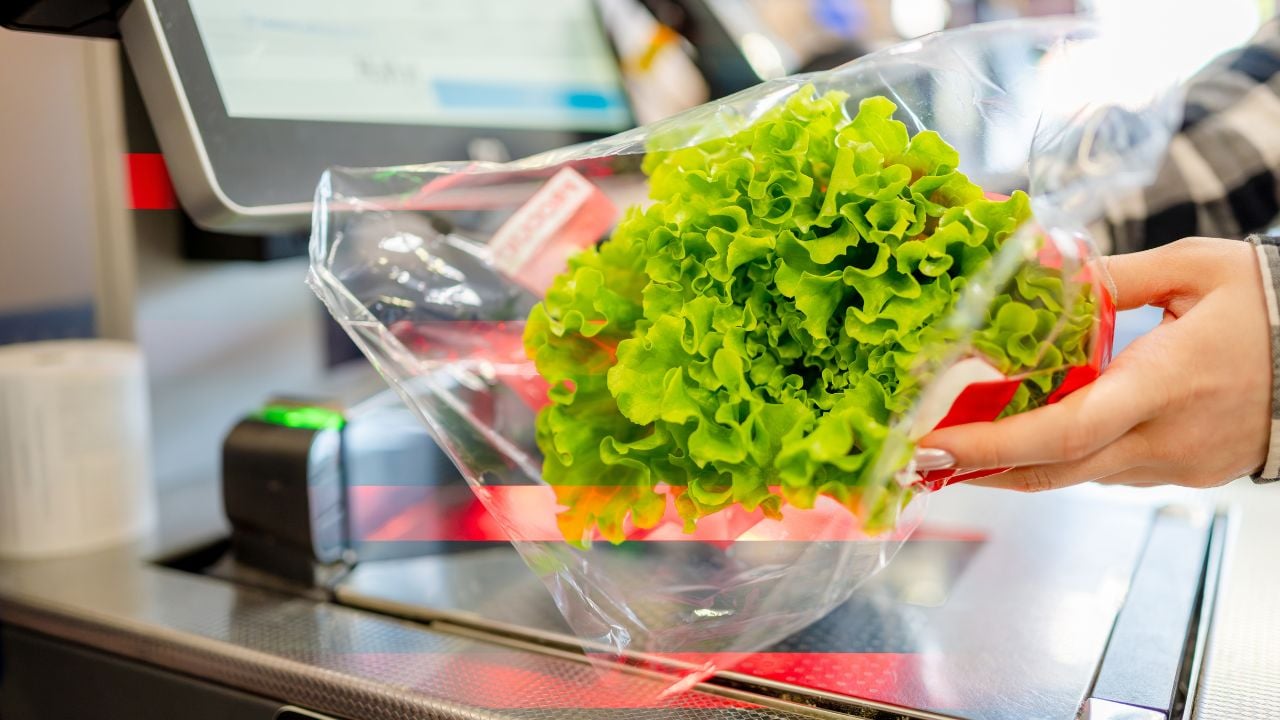
Piggly Wiggly hands the bagging job to the shopper at self-checkout, and that turns local bag rules into the shopper’s problem too.
Camden’s Piggly Wiggly on East DeKalb Street sits inside a city that has banned single-use plastic carryout bags at checkout since January 2020.
Hilton Head Island’s Piggly Wiggly at Coligny Plaza falls under a separate town ban, in place since November 2018, with fines running up to $500 per violation.
Reusable bags work everywhere.
A shopper who grabs for plastic that isn’t there ends up bagging a full cart by hand, one item at a time, with a line forming behind the kiosk.
3. Stepping Away During the Beer or Wine Hold
Piggly Wiggly sells beer and wine like any South Carolina grocery store, and state law puts the job of checking a buyer’s age on the person selling it.
South Carolina law makes it illegal to sell beer or wine to anyone under 21.
Failing to check identification counts as proof of the violation on its own.
Self-checkout can’t check an ID.
So every beer or wine scan freezes the lane until an employee walks over, looks at a license, and releases the sale.
Stepping away mid-scan doesn’t skip that step.
It just leaves a stalled register and a growing line behind it.
4. Scanning Before Entering Your Pig Point$ Number
Piggly Wiggly runs its loyalty program, Pig Point$, through a phone number entered at a terminal, not a plastic card.
The company’s Pig Point$ page says every store offers a terminal at each checkout.
Enter the phone number first at the terminal.
Any clipped digital coupons or rewards then apply automatically to what follows.
Scan first, and that discount never shows up.
There are no exceptions.
There’s no way to add the phone number after the receipt prints, so a missed scan at the start means a missed reward at the end.
What Earns Pig Point$ at Piggly Wiggly
Piggly Wiggly’s Pig Point$ math is simple: 100 points equal $1 off, 500 points equal $5 off, and 1,000 points equal $10 off.
Those points expire 90 days after they post, so points earned in June are gone by September if a shopper lets them sit.
The program’s rules leave out alcohol, beer, wine, tobacco, pharmacy purchases, gift cards, phone cards, postage stamps, money orders, and lottery.
A self-checkout order full of those items earns nothing toward the next reward, no matter how early the phone number went in.
5. Assuming Every Self-Checkout Lane Takes EBT
Piggly Wiggly shoppers using Supplemental Nutrition Assistance Program (SNAP) benefits sometimes load a full self-checkout order without checking the lane first.
That lane may not take an Electronic Benefit Transfer (EBT) card at all.
The assumption doesn’t hold at every store.
Every lane that accepts SNAP benefits, self-checkout included, needs certified point-of-sale equipment that each independently owned store buys and installs on its own.
Not every kiosk does.
A shopper who assumes the lane takes SNAP the same way it did at the last Piggly Wiggly can end up shifting a full cart to a staffed register instead.
That’s just as true in Sumter or Greenwood as it is in North Charleston.
Check the lane before scanning a single item.
6. Trusting the Total Over the Tax Break
Ring up a full cart at Piggly Wiggly’s self-checkout, and the total sometimes lands lower than a shopper expects.
That’s not a broken screen.
South Carolina exempts unprepared food from its 6% state sales tax, though local taxes that stack on top of it can still add up to 3% more in some counties.
Piggly Wiggly’s self-checkout screen applies that exemption automatically, county by county.
A lower-than-expected total is usually South Carolina’s tax rule doing its job, not a scanning error.
Re-scanning the same items twice won’t change the math.
Psst! How much do you know about Piggly Wiggly’s history? Take our quiz and see if you can ace it.
Quiz
Piggly Wiggly History IQ
Answer these questions on Piggly Wiggly’s national history and self-checkout roots. We bet you can’t get them all right. Prove us wrong?
Piggly Wiggly is technically headquartered today in a state with zero Piggly Wiggly stores. Which state?
How Piggly Wiggly Became a Fixture
Piggly Wiggly's story starts a long way from South Carolina.
Memphis grocer Clarence Saunders opened the country's first true self-service grocery store in September 1916.
Piggly Wiggly's South Carolina roots go back to 1947, when Charleston businessman Joseph T. Newton Jr. bought a single franchise and built it into a wholesale supply company for independent grocers.
The bet paid off.
By 2005, Newton's company operated more than 110 stores across South Carolina and coastal Georgia, with about 4,500 employees sharing in its stock ownership plan.
Progressive Grocer later named Piggly Wiggly Carolina the largest employee-owned, privately held retail company in South Carolina.
Piggly Wiggly's South Carolina loyalty program predates Pig Point$ by roughly half a century.
Greenbax trading stamps launched as a sister company in the 1950s.
Shoppers cashed those paper stamps in for discounts on groceries and gas, long before any phone number went into a terminal.
Some of those stores, like the one on Earl Street South in Wagener, still carry the small-town feel Newton's original franchise built its reputation on.
Piggly Wiggly's South Carolina distribution business sold to C&S Wholesalers of New Hampshire in 2014, and C&S still supplies the state's remaining stores today.
7 Charges on Every South Carolina Power Bill That Have Nothing to Do With Electricity
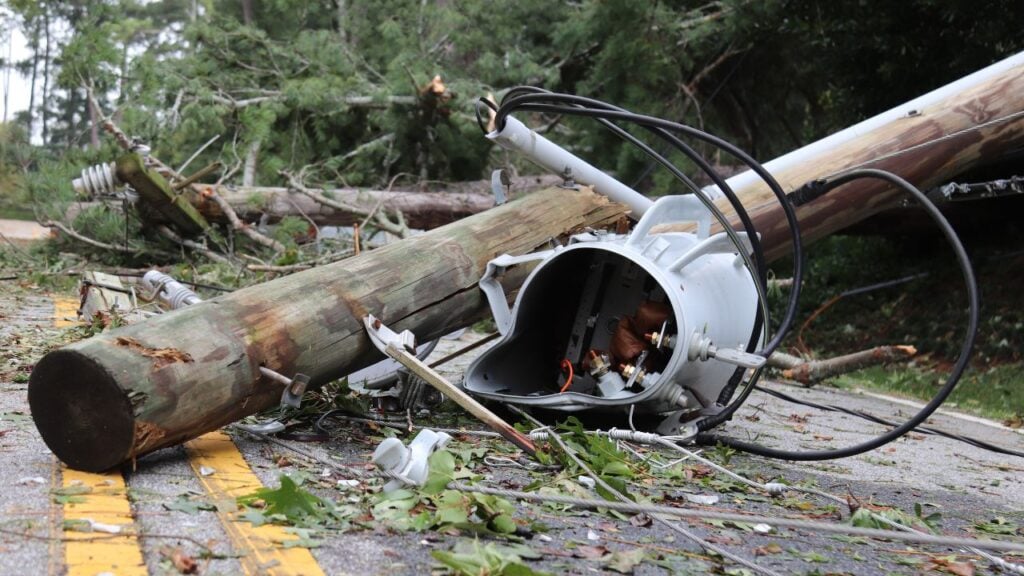
Duke Energy Carolinas customers started paying $4.58 more every month in January 2026, and it has nothing to do with how much power they used.
That's just one line on a South Carolina power bill that never touches a kilowatt.
7 Charges on Every South Carolina Power Bill That Have Nothing to Do With Electricity
9 Southern Food Tricks That Sound Wrong Until a South Carolinian Shows You
Duke's Mayonnaise sits in many South Carolina pantries for sandwiches, and many cooks reach for the same jar when dessert is on the menu.
Outsiders hear that and assume it's a joke, right up until they taste it.
9 Southern Food Tricks That Sound Wrong Until a South Carolinian Shows You
