
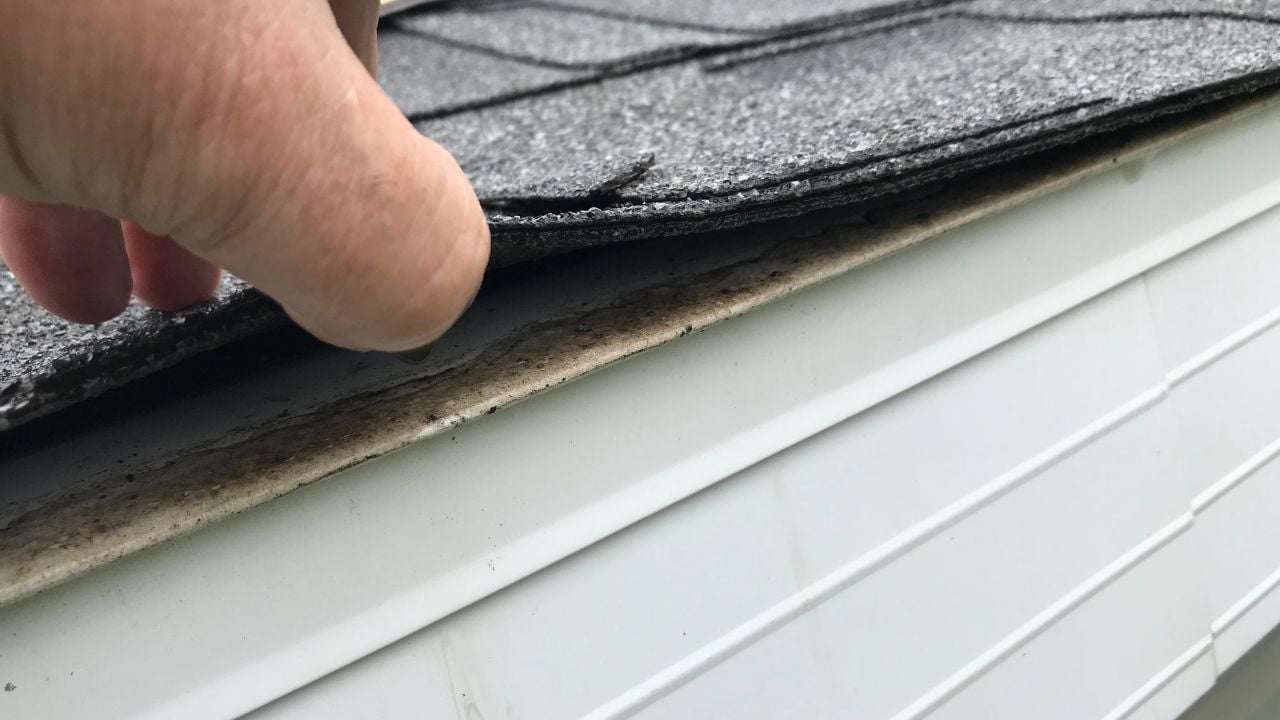
8 Insurance Non-Renewal Triggers Floridians Never See Coming

Florida’s homeowners insurance non-renewal rate rose 280% between 2018 and 2023, the steepest jump of any state, according to an Insurify analysis of a U.S. Senate Budget Committee report.
The cause of non-renewal rarely starts with a missed payment.
These are the insurance non-renewal triggers Floridians never see coming.
Note: This is general information, not insurance advice. Coverage rules, notice periods, and eligibility thresholds are subject to change, so confirm the current requirements with the Florida Office of Insurance Regulation.
1. Dropped by Citizens for a Cheaper Rival Offer
Citizens Property Insurance Corporation, Florida’s state-backed insurer of last resort, can drop a policyholder for a reason that sounds backward: Somebody else offered a decent price.
Under Citizens’ eligibility rule, a policyholder becomes ineligible to stay once a private insurer’s offer lands at no more than 20% above Citizens’ renewal premium.
It isn’t a punishment.
If Citizens would charge $1,000 next year and a private company offers $1,200 or less, the homeowner is out at renewal, whether they want to switch or not.
Florida built the rule to shrink Citizens’ footprint, and it runs automatically every renewal cycle.
Nobody has to miss a payment for it to fire.
2. Second Storm Claim Without the Fix
Florida law lets an insurer count a homeowner’s storm-damage claims against them, but only under one condition many policyholders never hear named.
Normally, a claim tied to a hurricane or other “act of God” can’t be used as grounds for non-renewal.
That protection disappears once an insurer can point to claims frequency and a repair request the homeowner skipped.
That’s the whole test.
Say an insurer flags a loose section of roof flashing after a windstorm claim, and the homeowner never gets around to fixing it.
A second wind claim after that can turn the pattern into non-renewal grounds on its own.
3. The Statewide-Book Trim
An insurer’s decision to non-renew isn’t always about the house.
A Florida insurer can walk away from thousands of policyholders at once, and the decision has nothing to do with any single house.
Florida’s insurance regulator lets a company non-renew more than 10,000 residential policies inside 12 months as long as it files the plan first.
The filing goes to the Office of Insurance Regulation at least 90 days before the notices go out, under a rule built for exactly this kind of mass exit.
Nothing about your house changes.
It’s part of why Florida’s 280% climb in non-renewals outpaced every other state.
A strong payment record and a spotless roof don’t buy immunity from that math.
Florida’s 120-Day Warning Clock
Florida requires a homeowners insurer to mail written notice at least 120 days before a policy’s non-renewal date, under the same statute behind the claims-frequency rule above.
Two situations move much faster than that.
Nonpayment only needs 10 days notice.
Canceling a brand-new policy inside its first 60 days only takes 20.
4. The 15-Year Roof Look
A Florida roof is shielded from being judged on age alone, but only up to a point.
An insurer can’t refuse to renew a policy over roof age while the roof is under 15 years old.
Under 15, it’s safe.
Cross that mark, and the shield only holds if an inspection confirms the roof still has 5 years or more of useful life left.
No inspection means age alone can decide it.
A roof that still sheds rain and shows no weak spots can lose its policy anyway if nobody ever puts an inspector on the ladder.
5. The 20-Year Checkup
Many Florida insurers require a four-point inspection once a home passes 20 years old, covering the wiring, plumbing, heating and cooling (HVAC), and roof in one visit.
Citizens Property Insurance Corporation, the state’s default insurer, applies that same 20-year line to owner-occupied homes, non-owner-occupied rental dwellings, and mobile homes alike.
No inspection, no renewal.
A homeowner who never schedules the visit, or whose inspector flags a hazard nobody fixes, can lose the policy over paperwork instead of an actual claim.
Exposed wiring or an active leak found during that single walkthrough carries the same weight as storm damage.
6. Old Aluminum Wiring on Inspection
A four-point inspection that turns up old aluminum wiring can end a Florida policy on the spot.
Most carriers decline or non-renew once unrepaired single-strand aluminum shows up in the report.
Florida home inspectors flag it more often than homeowners expect, especially in houses built before the mid-1970s.
It’s the wiring itself insurers object to, not the outlets or light fixtures it feeds.
A licensed repair with connectors made for the job satisfies some carriers.
Many Florida insurers still require a full copper rewire before they’ll put the policy back on the books.
The wiring can sit behind the walls for years without causing a single problem, and a four-point inspection is often the first time anyone official looks at it.
Psst! How exposed is your Florida homeowners policy to a surprise non-renewal? Run through this checklist and see where you stand.
7. Polybutylene Pipes Behind the Walls
Citizens Property Insurance Corporation won’t insure a home running on polybutylene plumbing, and it isn’t the only carrier that won’t.
The pipe was common in Florida homes built from the late 1970s through the early 1990s.
Manufacturers pulled it from the market over a pattern of splits and leaks, and insurers still remember that history.
Citizens’ own underwriting guidance treats polybutylene as a factor at renewal, not just a reason to turn away a brand-new application.
A homeowner can live with the same pipes for twenty years without a single leak and still lose a renewal the moment an inspector spots the telltale gray tubing.
8. Empty Too Long
A Florida insurer can decline to renew a policy on a home it has flagged as vacant, not just narrow what the policy covers while the house sits empty.
Florida insurers write a standard homeowners policy expecting someone to live in the house full time, and that expectation comes with a deadline.
Many policies limit or cut off coverage once a home sits unoccupied past 30 days, sometimes stretching to 60 depending on the insurer.
Crossing that line is grounds for a non-renewal as much as a cancellation.
No eviction is required.
A snowbird’s house sitting empty from May through October can cross that line without anyone flipping a switch.
The same goes for a family home left vacant during probate, or a rental sitting empty between tenants longer than the lease ever planned.
An insurer that discovers a vacancy mid-term can add an exclusion right then, without waiting for the policy to come up for renewal.
The same vacancy that triggers a mid-term exclusion is often the reason the policy doesn’t come back at renewal, too.
7 Things a Florida HOA Can’t Stop You From Doing in Your Own Yard
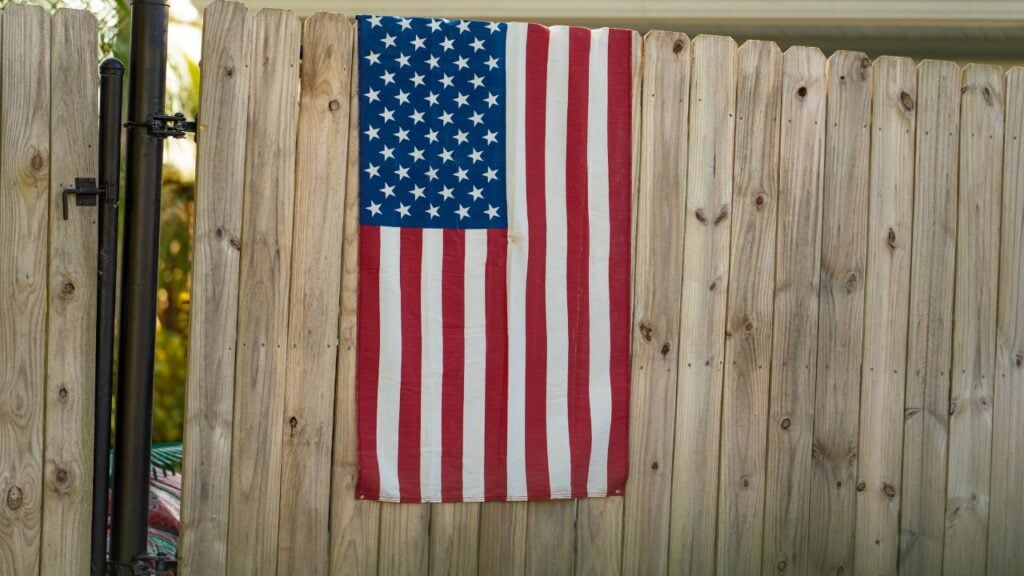
About 3.9 million of Florida’s 8.6 million homes, roughly 45%, sit inside a homeowners association (HOA).
An HOA board can dictate paint colors and mailbox styles, but Florida law still protects a growing list of things allowed in a homeowner’s yard.
7 Things a Florida HOA Can’t Stop You From Doing in Your Own Yard
8 Things New Florida Retirees Wish They Had Planned for Besides Money

Many Florida retirees spend years lining up the math before they leave the workforce, from property tax bills to Medicare premiums to a 401(k) withdrawal plan.
What catches many new retirees off guard is a Tuesday morning with nothing on the calendar, not the math they spent years preparing for.
8 Things New Florida Retirees Wish They Had Planned for Besides Money
