
9 Florida HOA Rules That Blindside First-Time Buyers

A moving truck is barely empty in a new-build Cape Coral driveway when a certified letter shows up in the mailbox.
It’s from the HOA, and it isn’t a welcome basket.
These are the Florida HOA rules that blindside first-time buyers, sometimes before all their boxes are even unpacked.
Note: This is general information, not legal advice. Association rules vary by community and are subject to change, so check your own governing documents.
1. Board Meetings Need Only a Posting
Florida lets a homeowners association (HOA) skip mailing, emailing, or texting a board meeting notice to a first-time buyer for anything short of a special assessment or a rule change.
A notice posted in a conspicuous spot in the community, a clubhouse bulletin board or a mailbox kiosk, at least 48 hours ahead covers the board’s legal duty for routine business.
No letter required.
Florida only forces a 14 days’ mailed or emailed notice when the agenda includes a special assessment or a change to the parcel-use rules.
Everything else, from contract approvals to routine spending, can pass on a bulletin board a new owner never walks past.
A first-time buyer who assumes a letter will arrive before every vote can miss the meetings that decide the community’s business before that buyer even finds out they happened.
2. Records Belong to Every Owner
Florida treats an HOA’s financial books, contracts, and meeting minutes as records that belong to the ownership, not just the board.
Ask in writing, and the association has 10 business days to hand them over for inspection or copying.
Fast, by design.
Miss that window, and Florida law presumes the association willfully broke the rule, opening the door to at least $50 a day in damages.
That’s up to $500, just for stonewalling a routine request.
Florida doesn’t require those same records to show a reserve account at all.
State law makes a reserve fund optional unless a majority of the voting owners approves one.
That same majority can later vote to fund it at less than the full amount, or skip funding it entirely.
A first-time buyer who never requests the records can close on a house without ever seeing whether the community set aside a dollar for its next roof, road, or pool repair.
3. No Cap on Dues Hikes
Florida caps how much a condo board can raise its budget before owners get a vote, but Chapter 720, the law that governs homeowners associations, sets no matching limit.
No percentage.
No ceiling.
A board can adopt next year’s budget, and the assessment that funds it, without ever putting a number in front of the membership for a vote.
Owners’ one lever is a petition: Gather signatures from 20% of the voting interests, and the board has to put the item on an agenda within 60 days.
That forces a conversation.
It doesn’t force a smaller bill.
4. Fines Can Turn Into Legal Bills
Florida caps what a homeowners association (HOA) can fine an owner directly: $100 per violation, $1,000 total.
Any fine under that amount can never turn into a lien on the house.
That cap disappears the moment either side heads to court.
Before a fine even sticks, the board has to send 14 days‘ written notice and offer a hearing in front of an independent committee, at least three owners with no ties to the board.
Skip the hearing, and the fine doesn’t survive a challenge.
Fight it in court instead, or let the association sue to collect it.
Florida law then hands the winning side something far bigger than the fine itself: The loser’s attorney’s fees.
Every hour of them.
A capped $1,000 fine can turn into a legal bill running into the thousands, paid by whichever side loses the case, first-time buyer included.
5. Unpaid Dues Become a Lien
An HOA can place a lien on a Florida home the moment an assessment goes unpaid, and that lien reaches back further than many owners realize.
The claim relates back to the date the neighborhood’s original declaration was recorded, sometimes decades before an owner ever signed a closing document.
One skipped payment can turn into a legal claim almost overnight.
Foreclosure isn’t automatic, though.
The association has to send two separate 45-day notices: First a chance to pay before it files the lien, then another chance before it can move to foreclose.
Two warnings, 90 days combined, before either side ever sees a judge.
What Florida Caps on a Late Payment
Florida caps what a homeowners association can tack onto a past-due bill.
Interest tops out at 18% a year unless the community’s governing documents set a lower rate, and it can’t compound.
A late fee runs no higher than $25 or 5% of the missed payment, whichever is bigger.
The association applies every payment to interest first, then late fees, then legal costs, and only after that to the overdue assessment itself, so a partial payment can sit there without ever touching the debt an owner worries about most.
6. Estoppel Fee Waits at Closing
Florida lets an HOA charge a fee just to confirm what’s owed before a closing can happen.
That document is called an estoppel certificate, and it lists every dollar due on the account before ownership changes hands.
The standard charge tops out at $299.
Need it rushed inside three business days?
That’s another $119 tacked on.
Behind on payments?
Add up to $179 more, so a delinquent, rushed request can run all the way to $597 before the new owner packs a single box onto the truck.
Miss the association’s own 10-business-day deadline to produce it, though, and Florida law says the fee disappears entirely.
7. Silence Isn’t Approval
Florida gives an HOA authority over paint colors, fences, and additions, but only as far as the community’s declaration spells out.
Submit a request to the architectural review committee, and Florida law sets no deadline forcing anyone to answer.
No deadline.
A buyer who assumes silence means a green light is guessing, and if the committee eventually says no, it has to point to the exact rule the project violated.
Painting the shutters before that answer arrives is a bet, not a plan.
Psst! How much do you know about Florida’s homeowners associations? Take our quiz and see how many you can get right.
Quiz
Florida HOA IQ
Answer these questions on Florida homeowners associations, board rules, and the law behind them. We bet you can’t get them all right. Prove us wrong?
About how many Florida residents currently live in a community governed by an HOA?
8. New Short-Term Rental Caps Bind You Anyway
Florida lets an HOA pass a short-term rental cap that reaches every owner the instant the board adopts it, brand-new buyer included.
A rule capping leases under six months, or limiting how many times a year an owner can rent the place out, applies to every owner, new and old, the moment it passes.
No grandfather clause here.
Many other new rental rules work the opposite way.
Florida protects an owner who buys before a full leasing ban passes: Adopt one after someone closes, and it usually can't touch that owner unless they agree to it themselves.
The short-term cap is the exception, not the rule.
A first-time buyer counting on renting the place out down the road can watch the board pass a short-term cap the following year and be stuck with it anyway.
9. Falling Behind Costs Your Vote
Florida lets an HOA suspend a member's voting rights over unpaid money, and this time, the board doesn't owe anyone a hearing first.
No hearing needed.
Fall more than 90 days behind on any assessment, fine, or other charge, and the board can pull that vote.
It takes only a properly noticed meeting, no independent committee and no 14-day countdown required.
That's the opposite of the process a fine requires.
Pay everything currently due, and the suspension lifts the same day.
One overlooked invoice can silence a homeowner's vote at the very meeting that decides next year's budget.
10 Florida Wildlife Rules People Break Just by "Being Friendly"
A stomped-on sea turtle nest in Miami Beach turned into a felony charge and a $5,000 bond for a tourist in 2019.
Many people who run into trouble with Florida's wildlife rules are trying to help an animal or snap a good photo, not hurt it.
10 Florida Wildlife Rules People Break Just by "Being Friendly"
9 Things Nobody Warns New Florida Residents About Hurricane Season
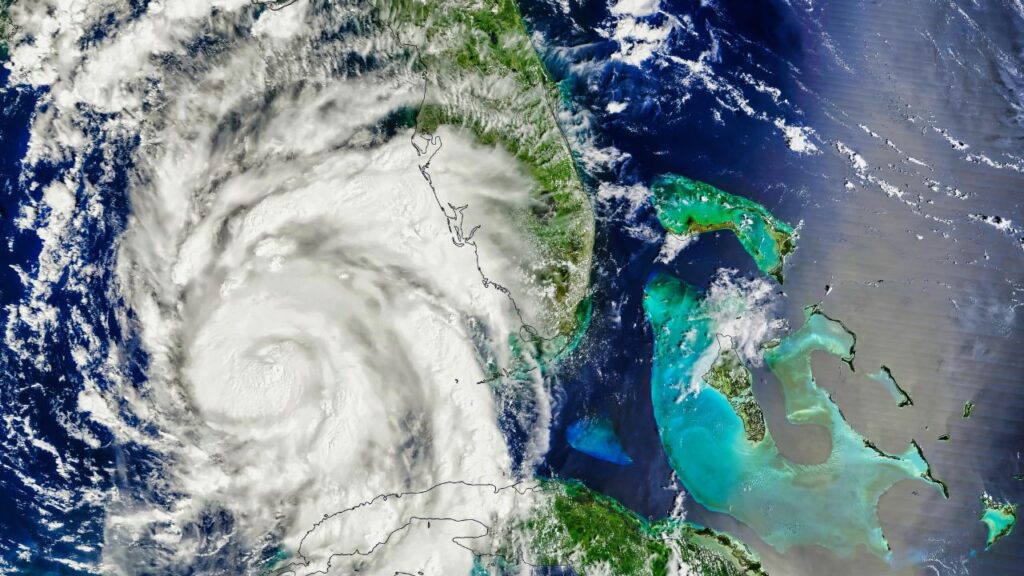
A hurricane doesn't have to touch Florida to empty a Home Depot two counties away.
The moment a five-day cone brushes the state map, plywood vanishes off the shelves and licensed generator installers start turning away new jobs.
9 Things Nobody Warns New Florida Residents About Hurricane Season
